
Regular Programs
-
In each episode, we invite guests with deep understanding of issues Indigenous Peoples face. We talk to members of tribal communities, academics, cultural workers, activities, and others whose lives are deeply intertwined with these issues. From language revitalization, traditional territory, cultural preservation, to daily life in tribal communities, we hope to explore the deeper context behind these issues. We hope these conversations would help our audience realize— “ah, this is how it is.”
-
We continue to build community partnerships to help delegates attend the United Nations Permanent Forum on Indigenous Issues
-
We continue to build trusting, collaborative relationship with Indigenous Peoples of North America and Pacific Islands. We also collaborate with local organizations in Seattle to organize advocacy and educational events.
Past Events
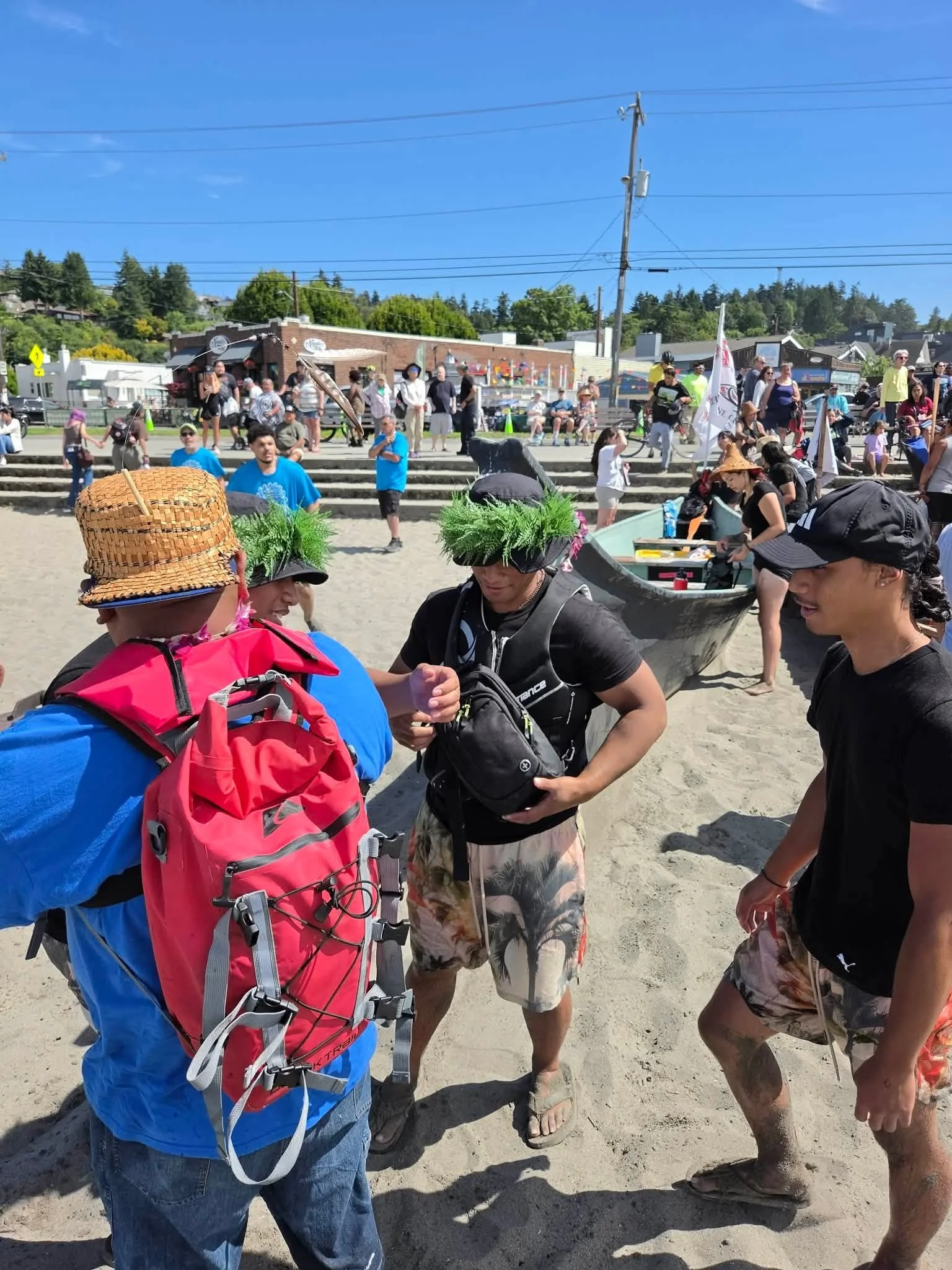
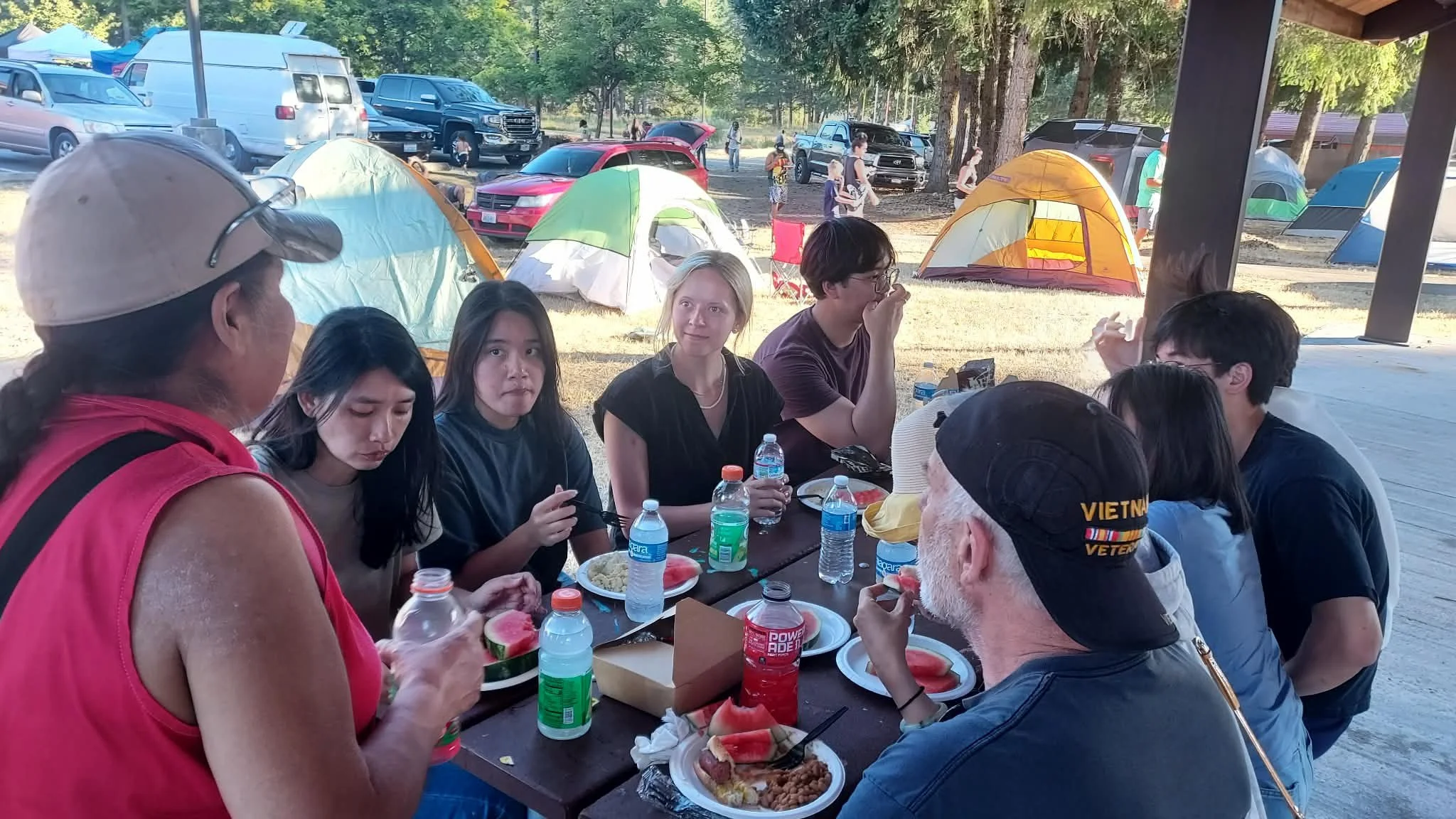
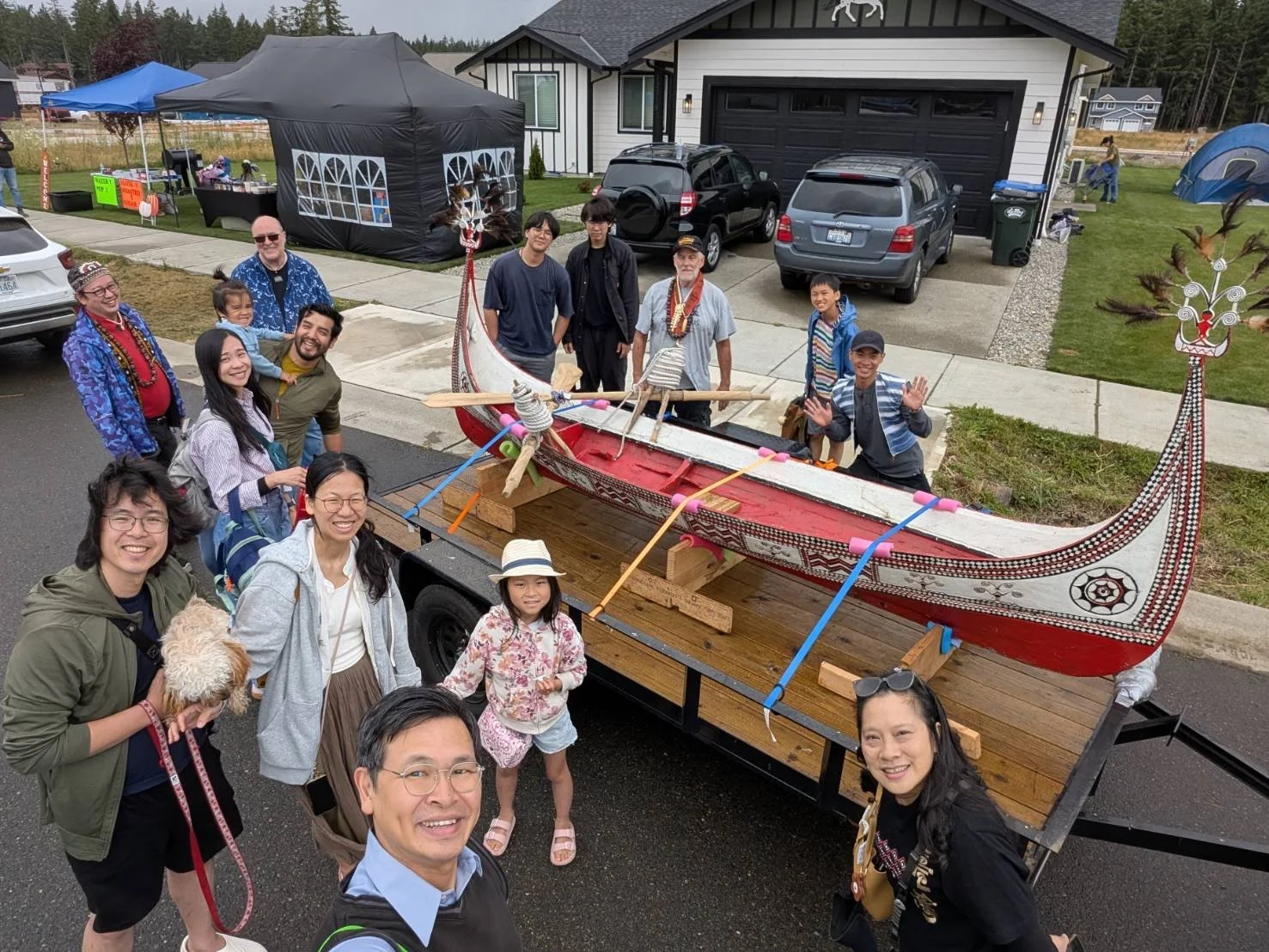
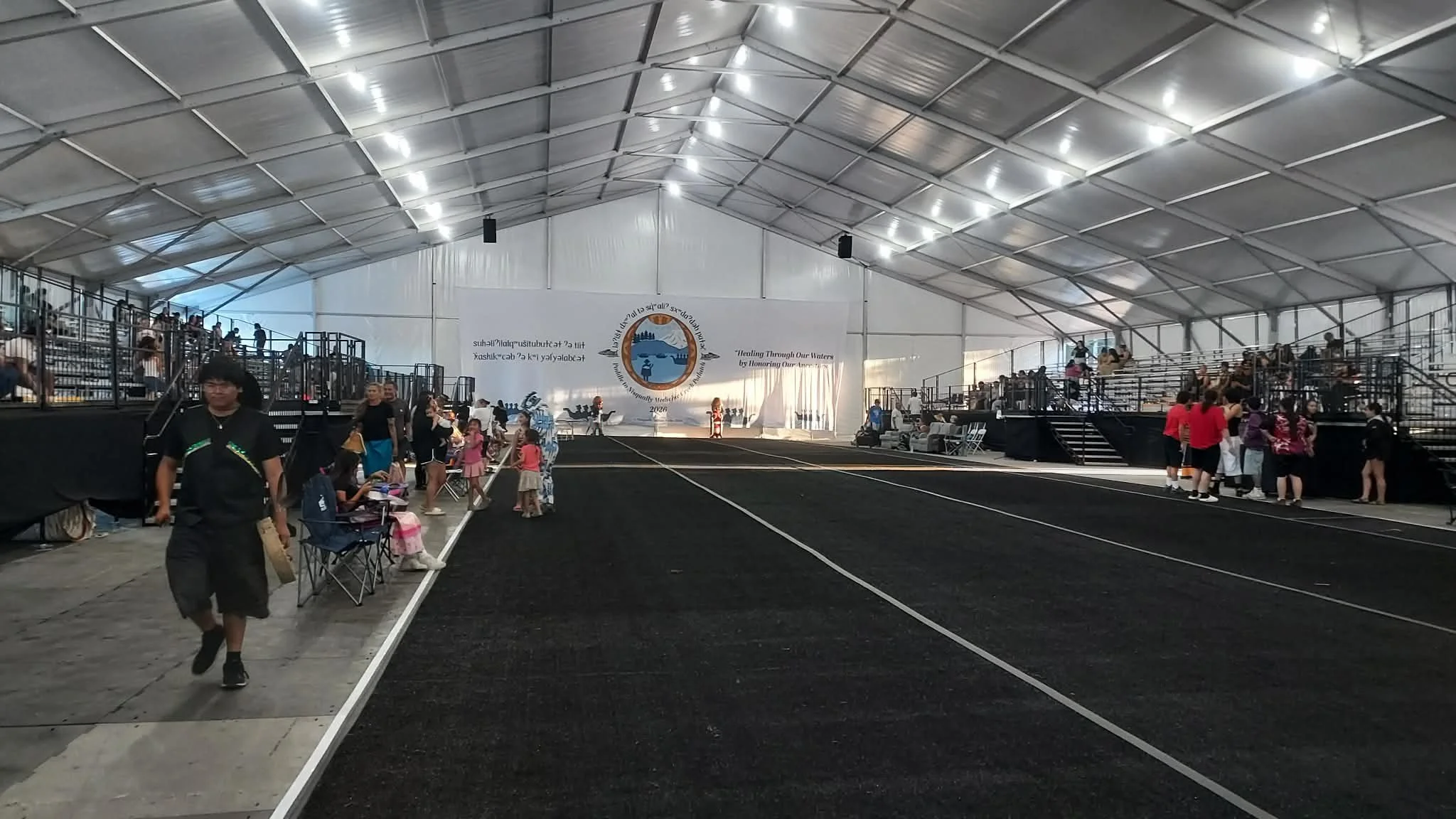
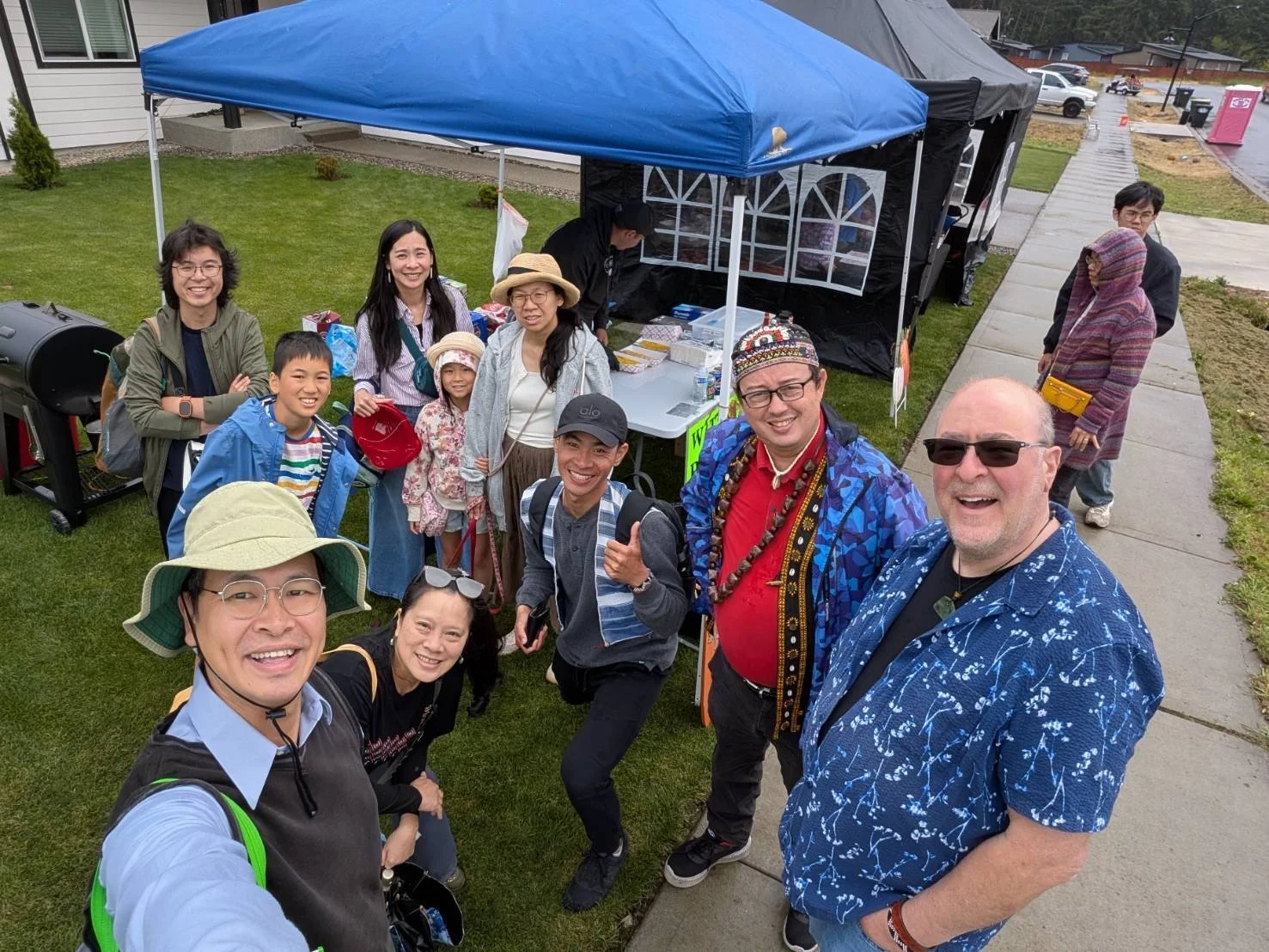
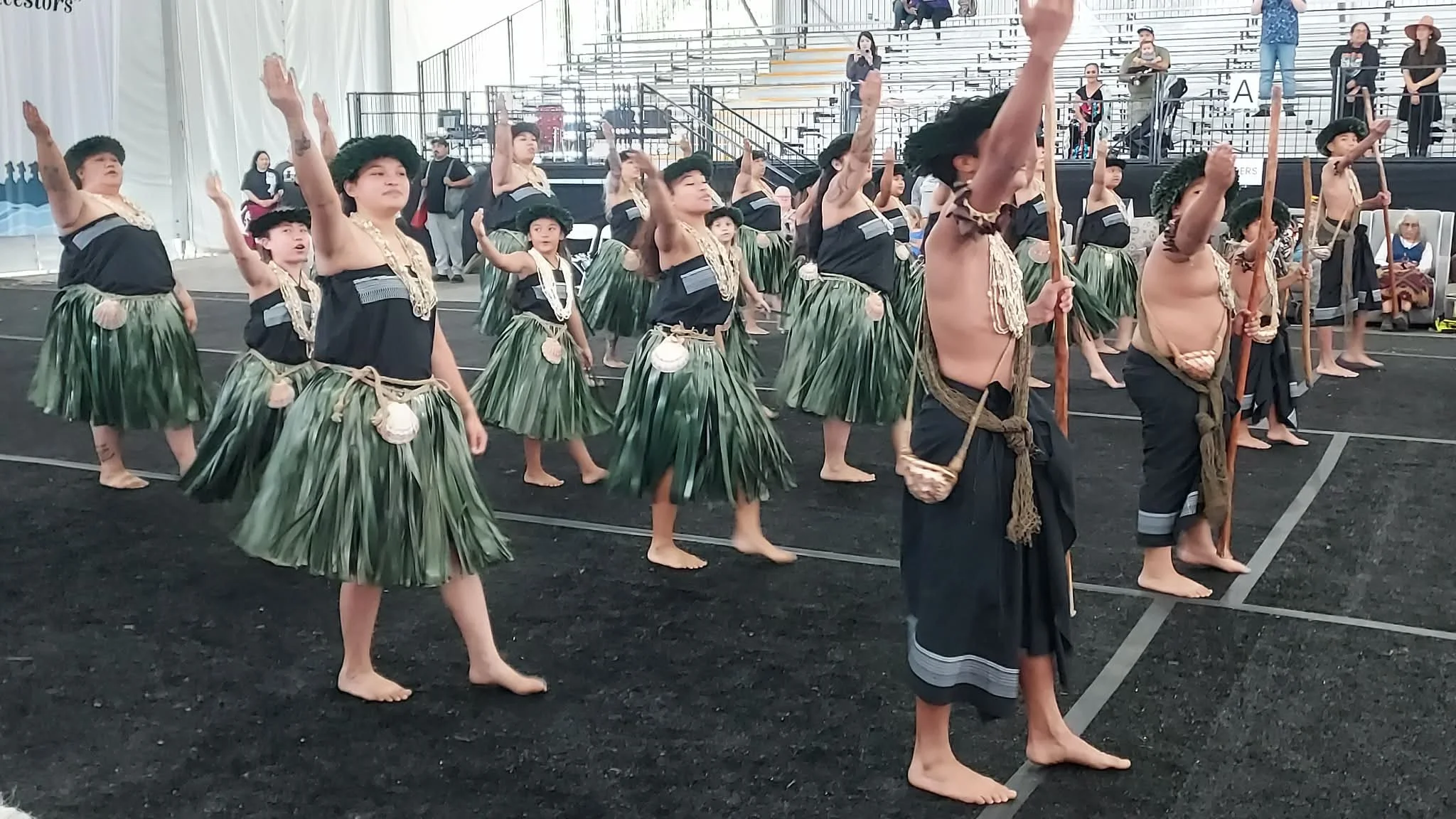
Canoe Journey 2026 & August 1st Taiwan Indigenous Peoples Day
The 2026 Paddle to Nisqually Medicine Creek Potlatch continues the tradition established by the 1989 Paddle to Seattle. That year, Indigenous nations of the Pacific Northwest revitalized ancestral ocean travel as part of a broader cultural resurgence. Since then, the Canoe Journey has grown into a major intertribal gathering, drawing participants from Indigenous nations across the United States, Canada, Alaska, as well as Inuit communities, Māori, Native Hawaiians, and other ocean‑faring Indigenous Peoples.
The Tao People of Pongso no Tao (Orchid Island) in Taiwan, whose culture shares deep historical connections with Pacific navigation traditions, were invited to join this event several years ago, and this year is no exception. Their participation symbolizes a trans‑Pacific cultural convergence: from Taiwan to Oceania to the Pacific Northwest, ocean‑faring peoples are connected through canoes, navigation knowledge, and ancestral teachings.
This year, PAFATIS was invited by Indigenous Bridges to learn and witness the deeper cultural significance of the Canoe Journey. Through this experience, PAFATIS observed firsthand how ocean‑based Indigenous communities build relationships through waterways, community ties, and ancestral knowledge. Being present at the event made it clear that the Canoe Journey is not only a regional gathering, but a global convergence of Indigenous Peoples.
The event took place from late July through early August, aligning meaningfully with Taiwan Indigenous Peoples’ Day on August 1. It offered a renewed reminder of the resilience Indigenous Peoples continue to demonstrate in the face of historical, environmental, and social change, and underscored how cultural identity and ancestral knowledge remain essential sources of strength across generations.
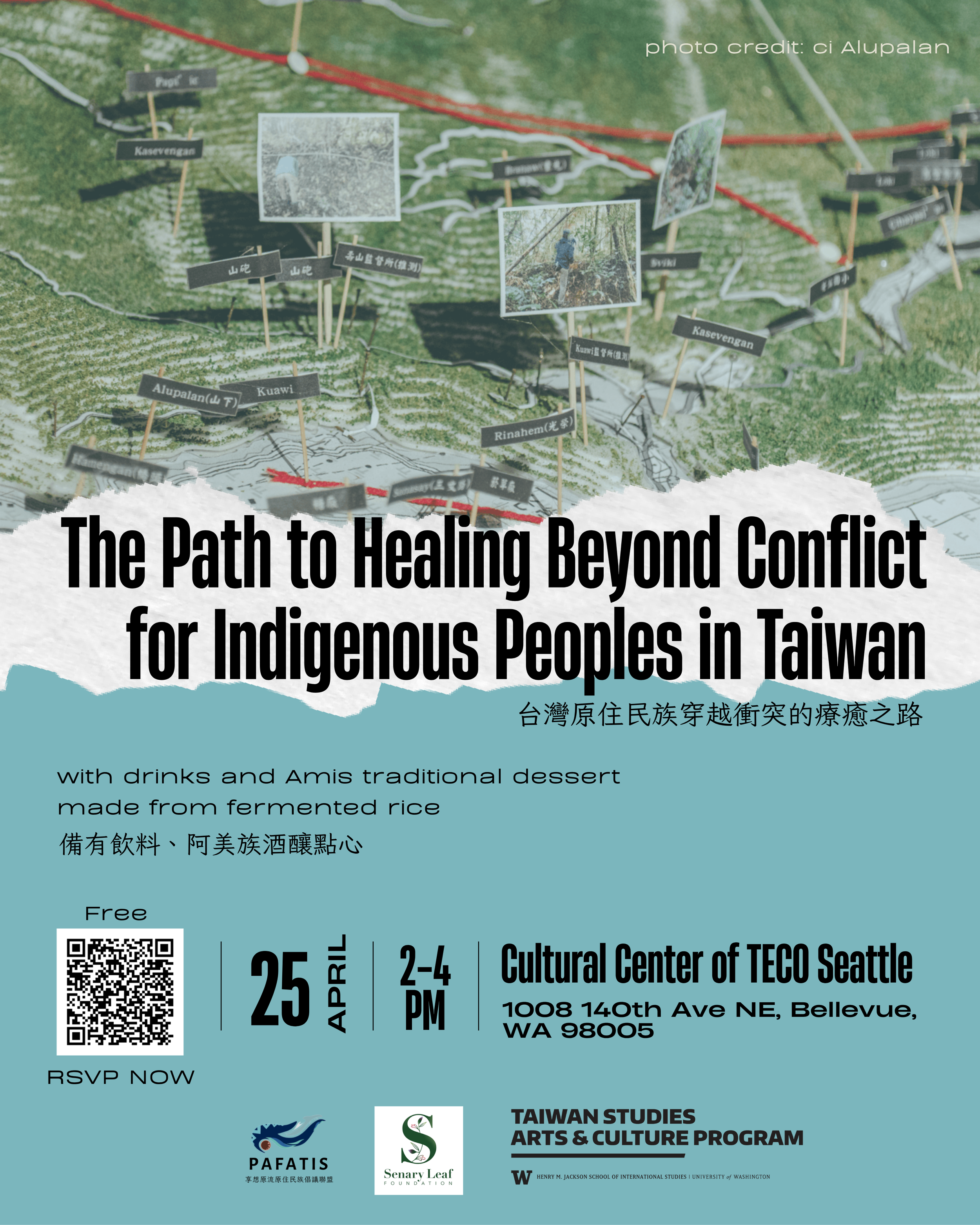
2026 UNPFII Series: The Path to Healing Beyond Conflict for Indigenous Peoples in Taiwan
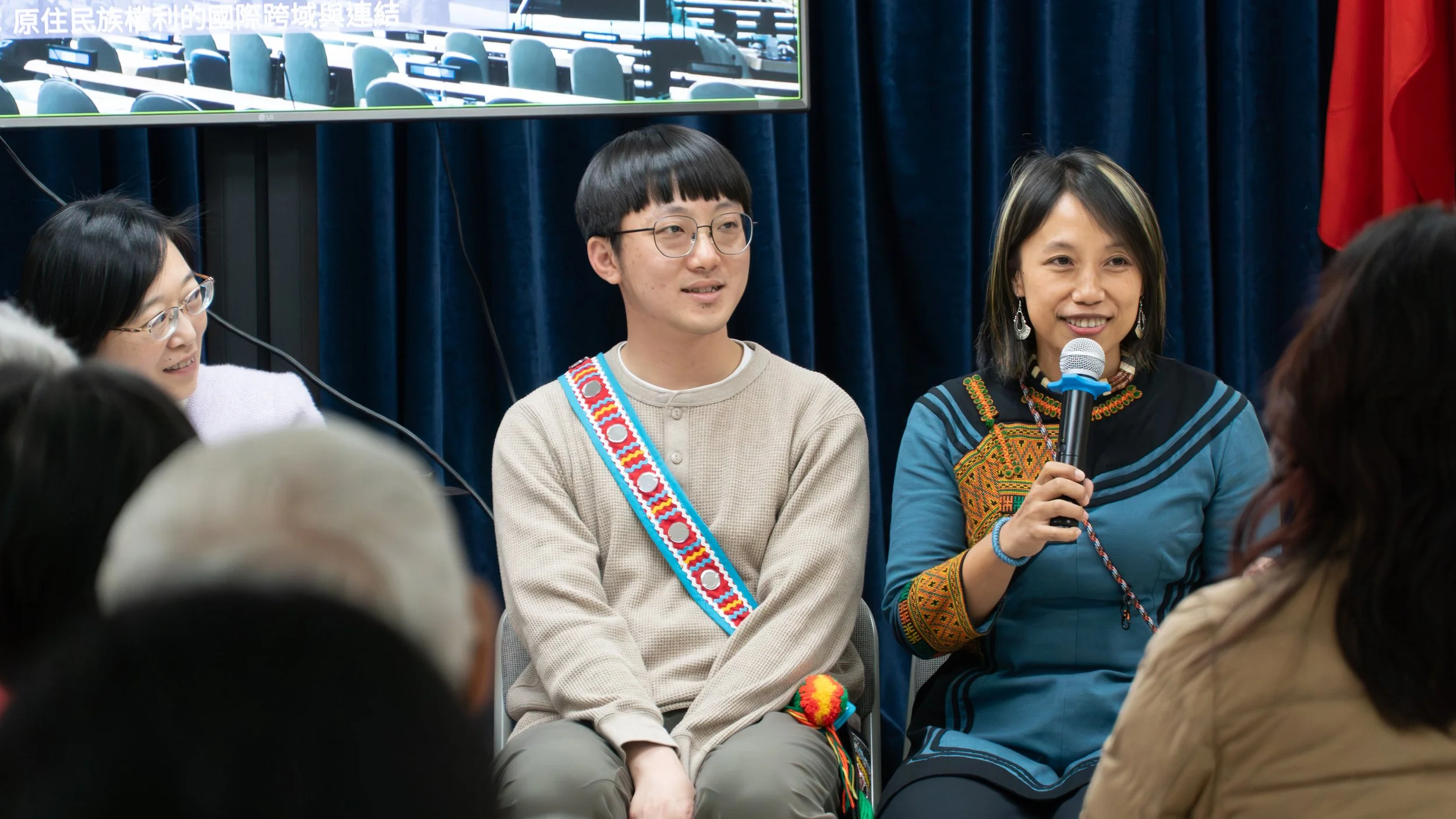
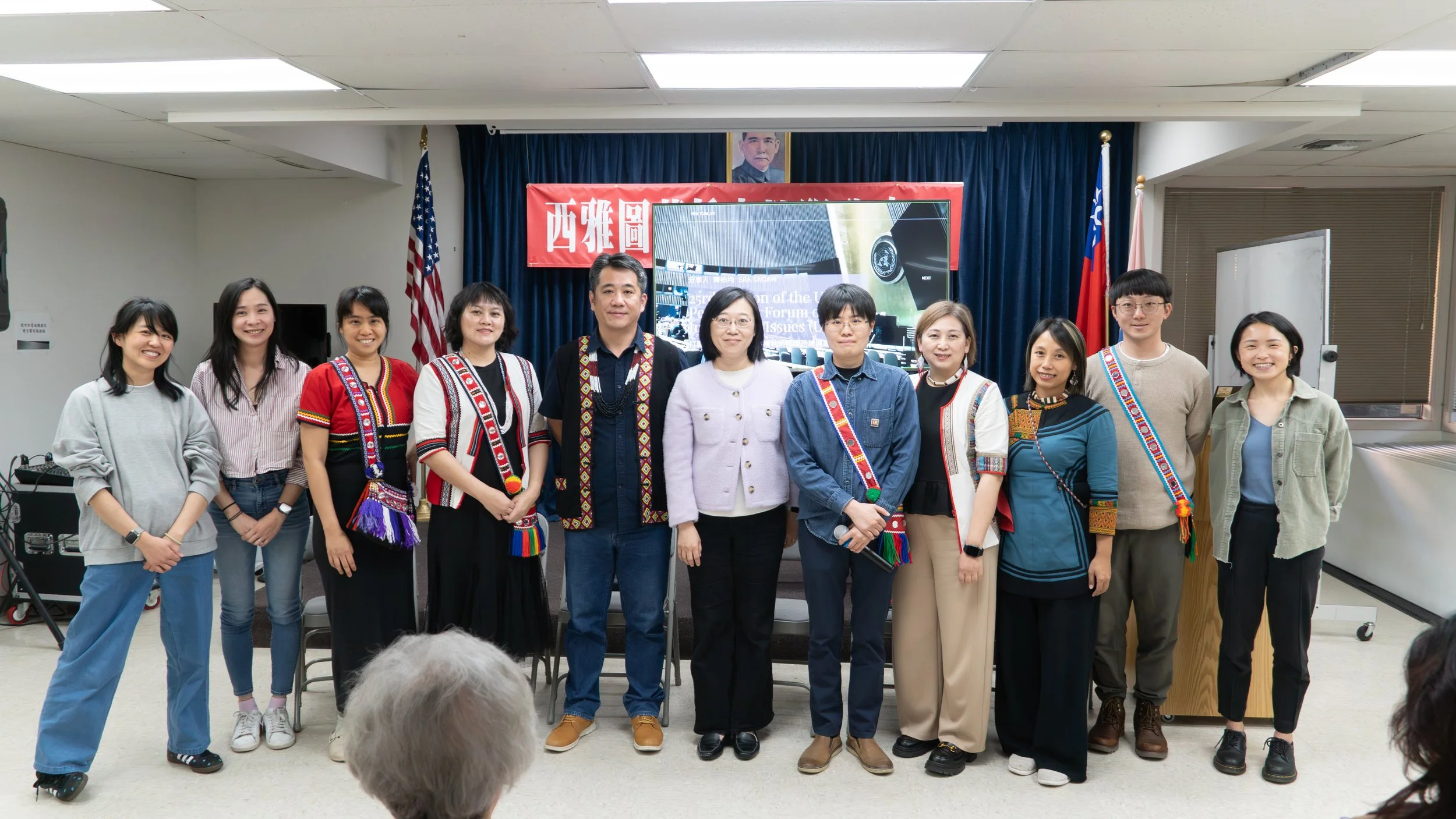
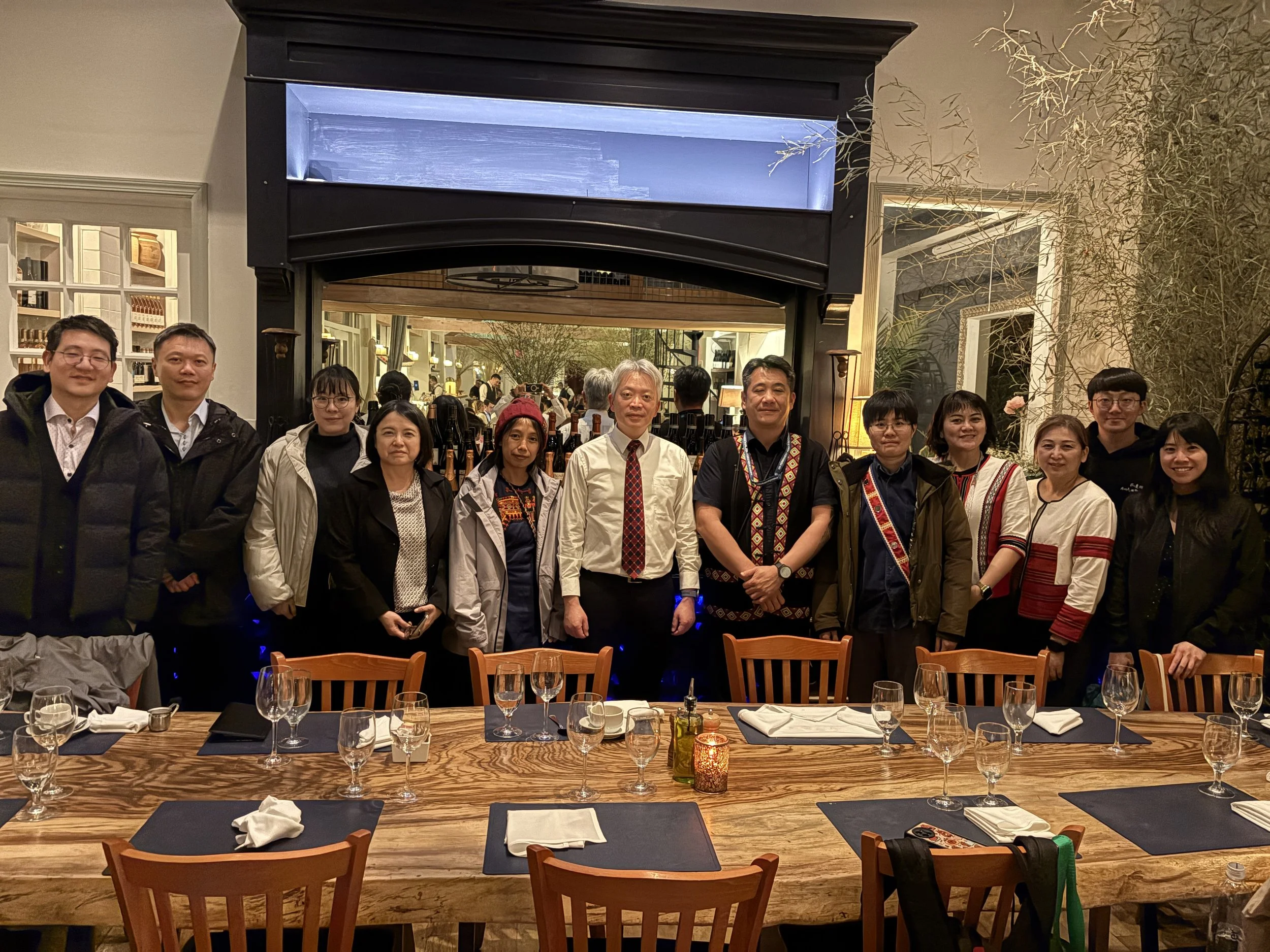
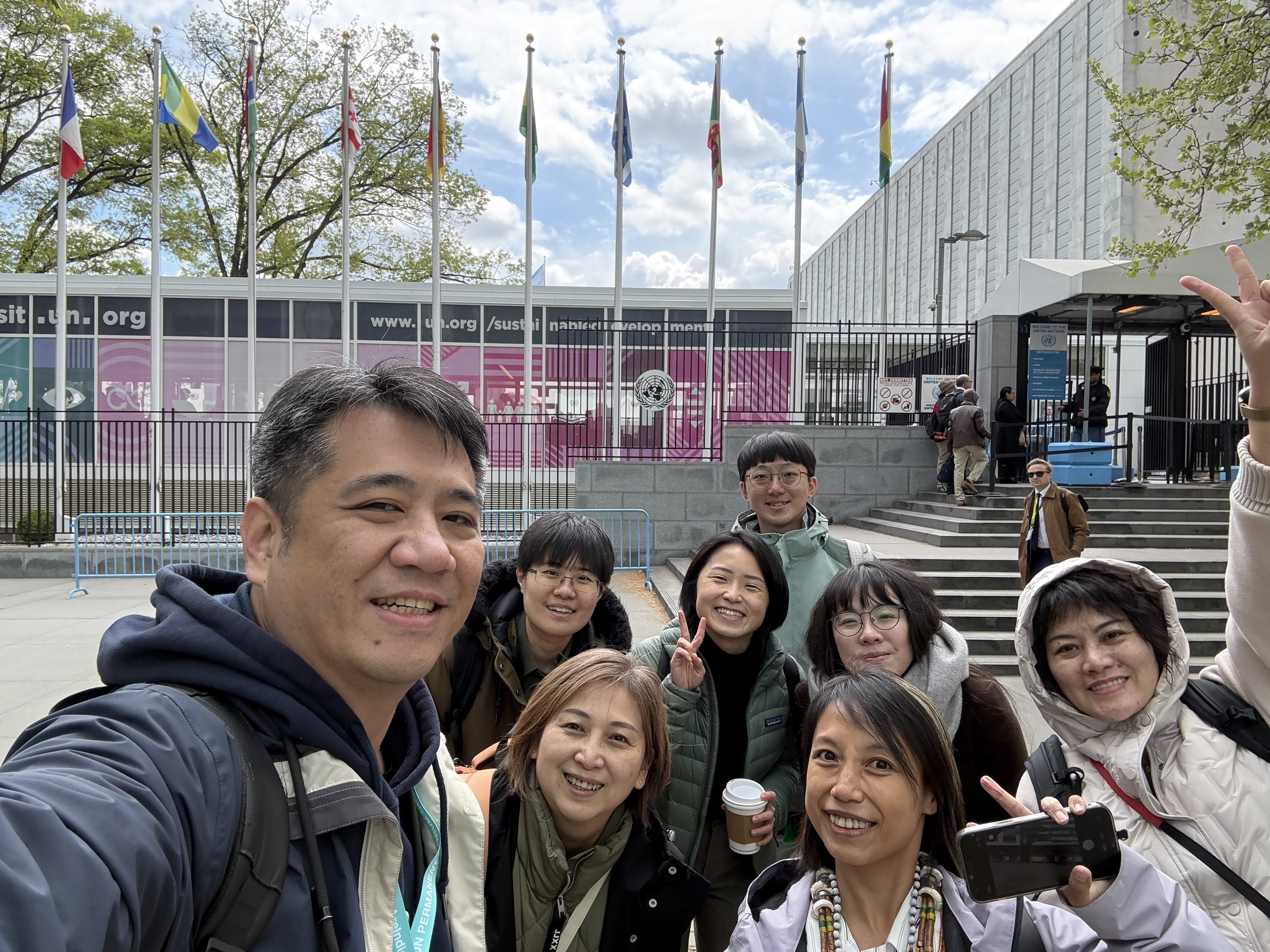
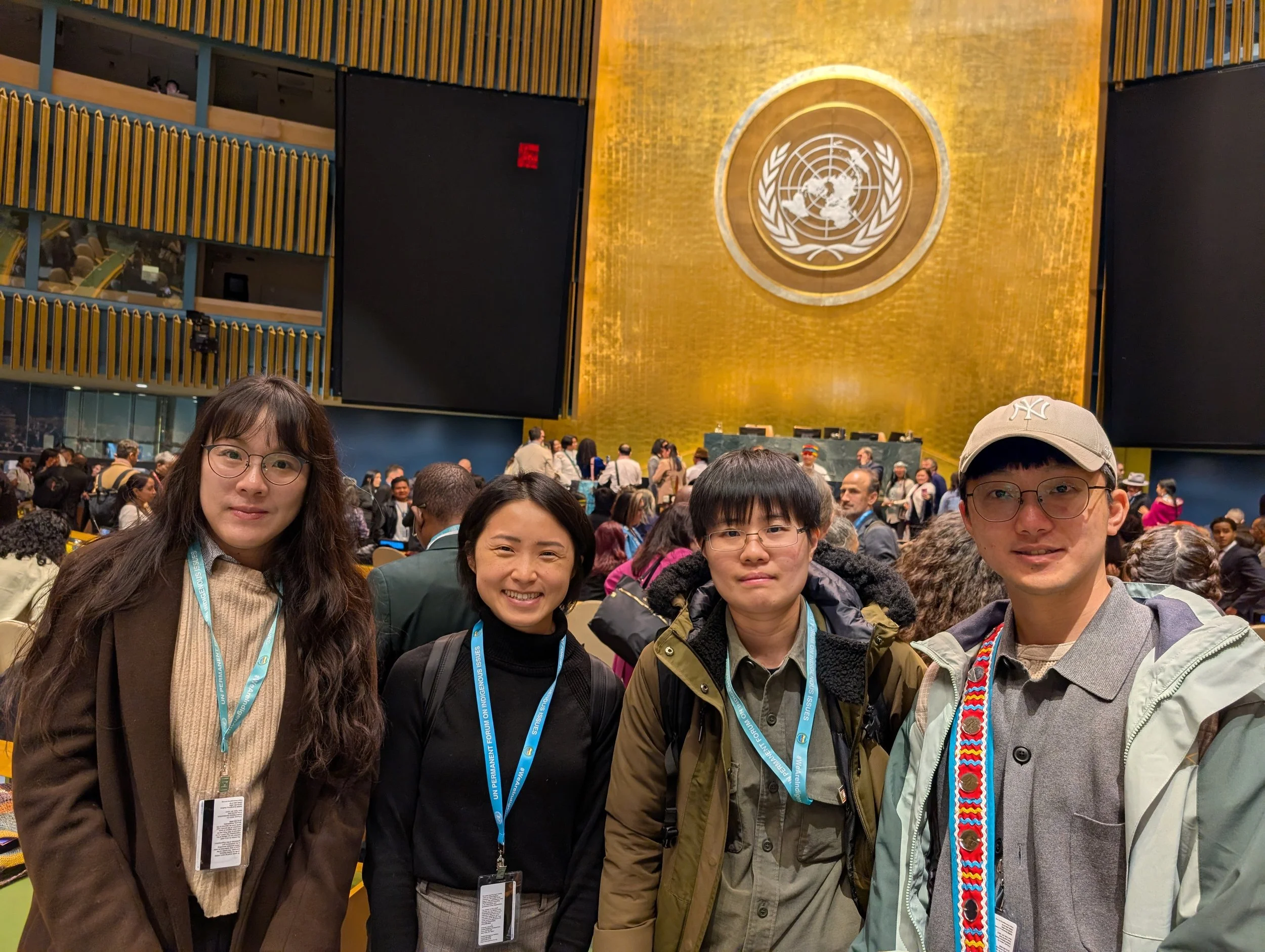
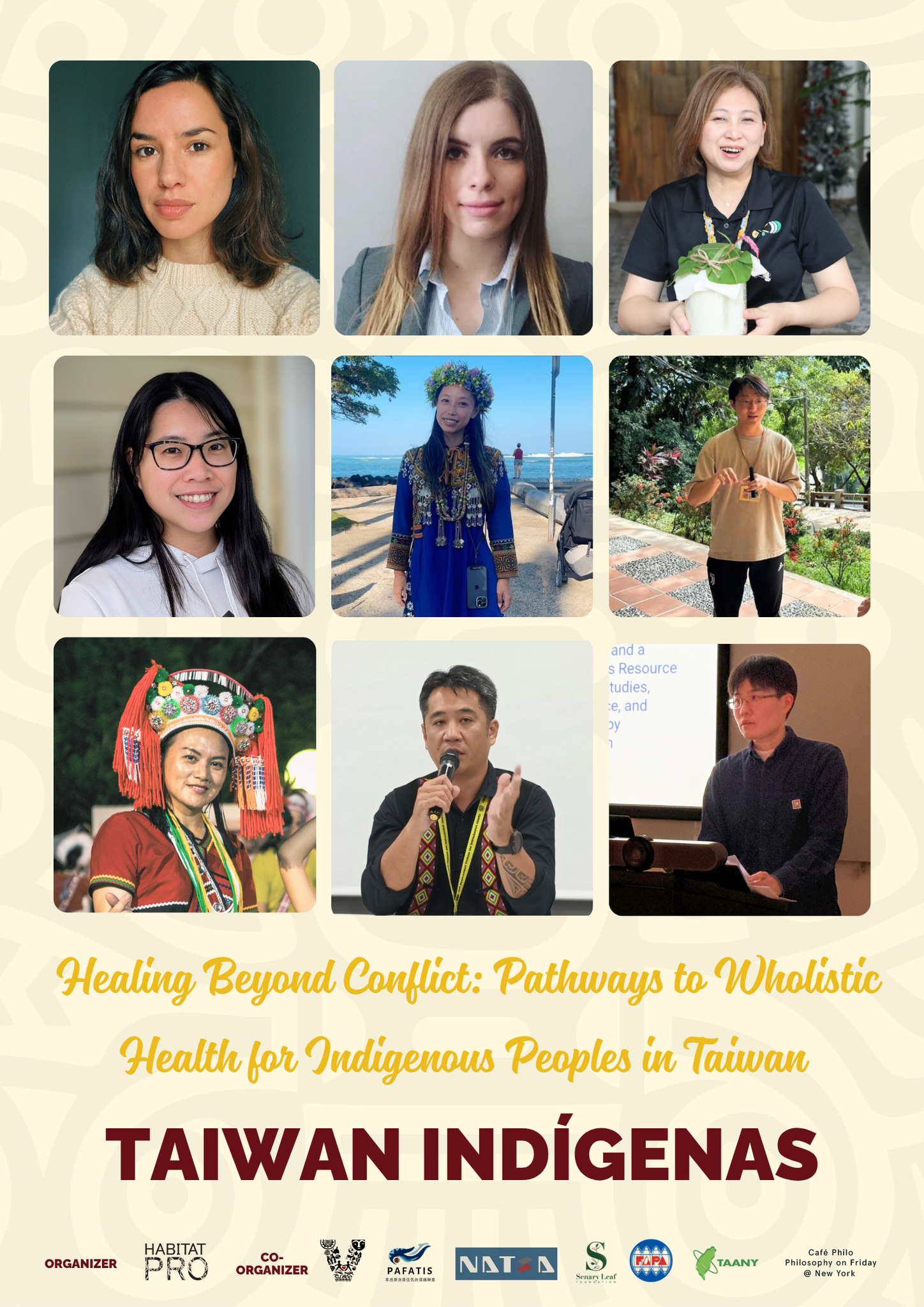
From 4/16 to 4/25, PAFATIS and five Taiwan Indigenous delegates attended the United Nations Permanent Forum on Indigenous Issues (UNPFII) and hosted side events, workshops, and lectures in New York and Seattle. This year’s delegates included Sra Kacaw (Director of the Hualien Indigenous Public Affairs Promotion Association), Dungi Lunip (Program Manager at Hualien Shoufeng Community Health Development Center), Yayut Ratang (President of Indigenous Women for Preserving Traditional Food Culture in Hualien), ljavaus tjauquculj (Specialist at National Human Rights Commission), and Hao-Kuei Wang (PhD student in Indigenous Education at the University of Victoria, Canada). For the past ten days, we explored the pathways to healing beyond conflict with Indigenous Peoples from around the world.
This series of events also received reporting from multiple news outlets.
“Thank goodness I joined.”
We had quite a full schedule in these ten days. We also practiced what Lunip defined as health–
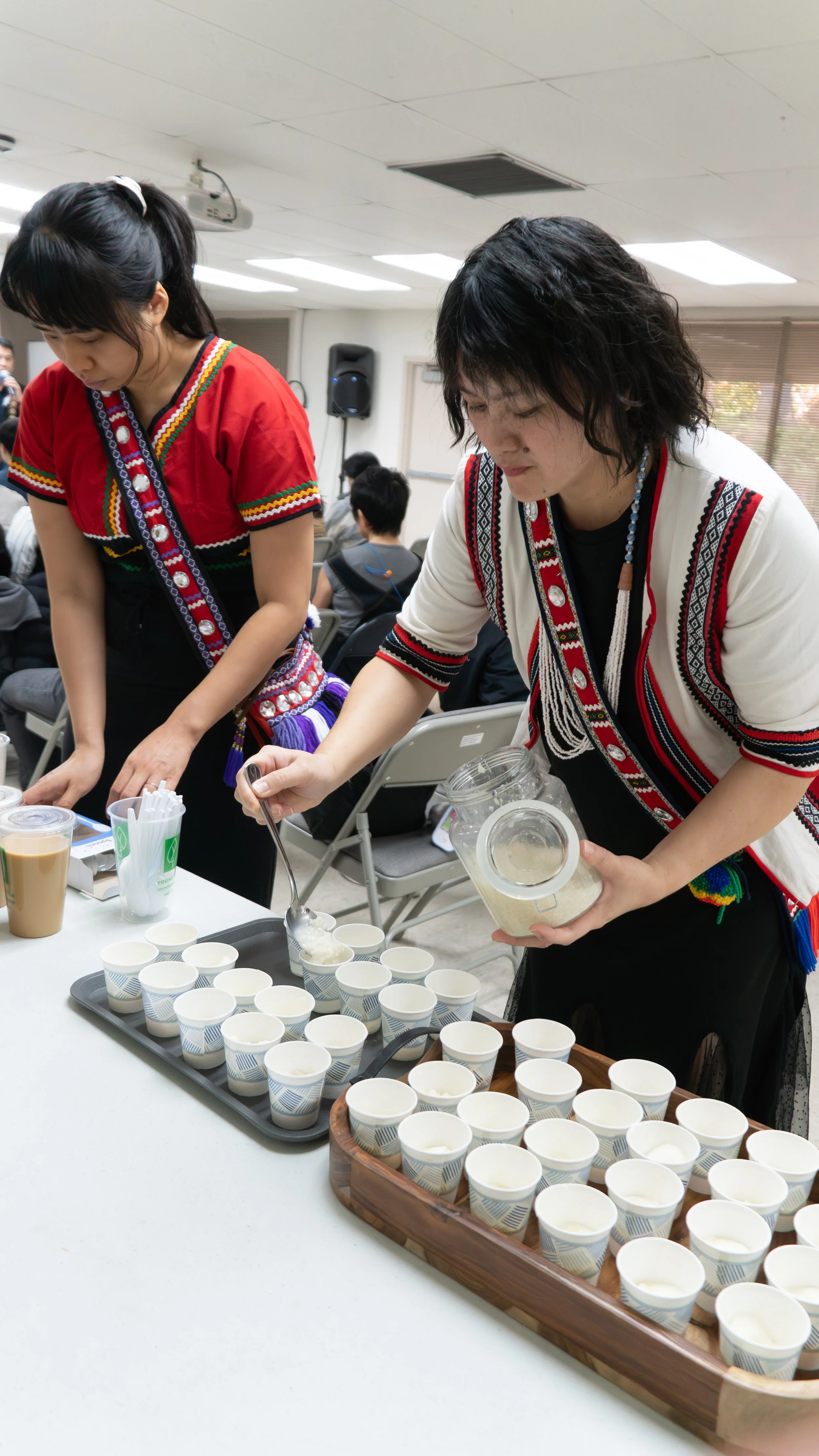
“Not cold data but warm, deep relationships.” From the minute the delegates landed, our relationships continued to deepen through every meal shared around the table, weaving, learning how to make fermented rice, car ride, plane ride, crowded subway rides, evening spent adjusting our presentations, words of encouragement, and pats on the back. Like Yayut mentioned, “the point isn’t what we ate. It is who we ate with. Health is built on the sense of belonging and knowing that you’re supported.” Because we were together, we have found homes in different corners of the world.
“No matter where we are, what role we hold, when we go back to the community, I am doing work for the community.”
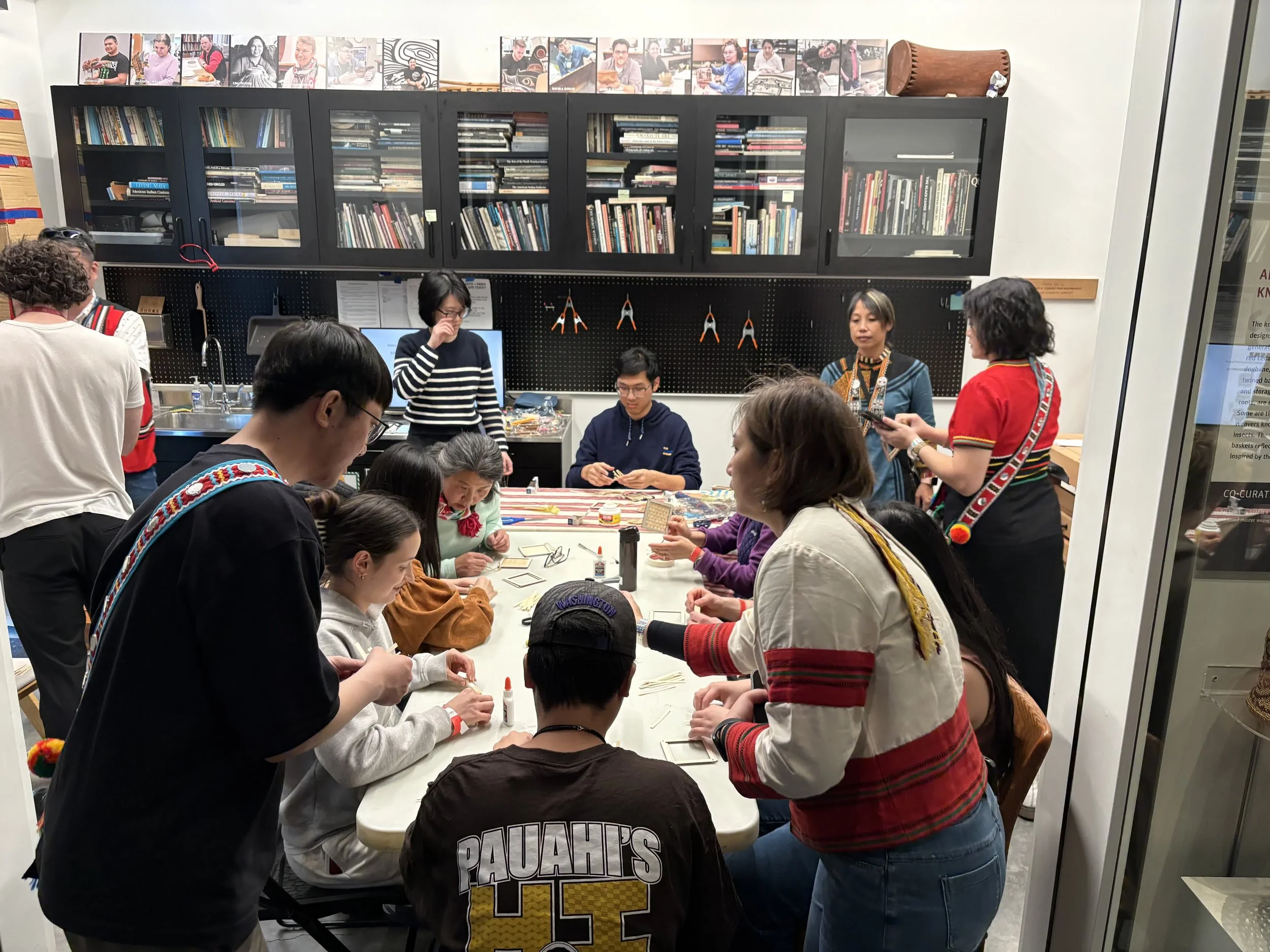
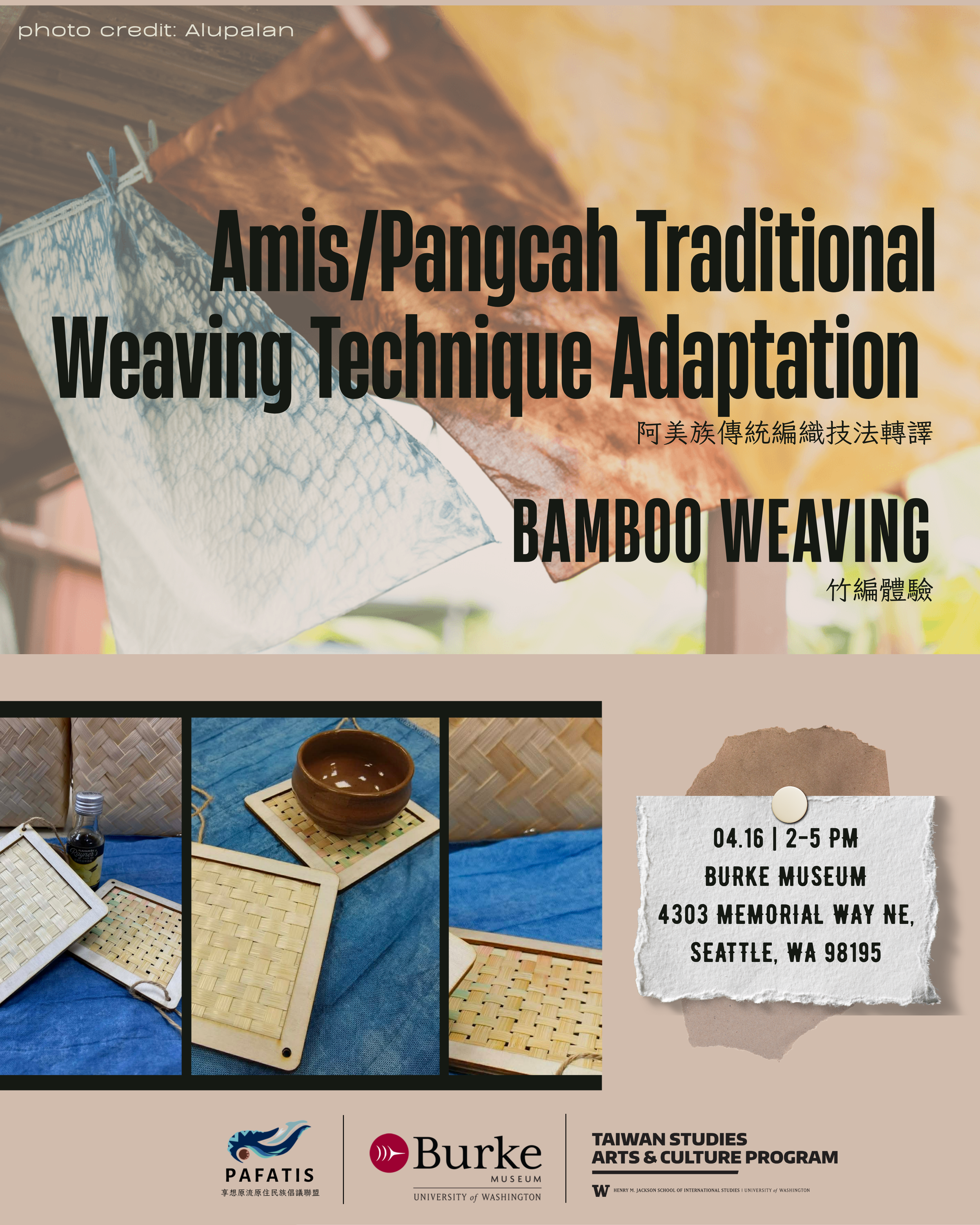
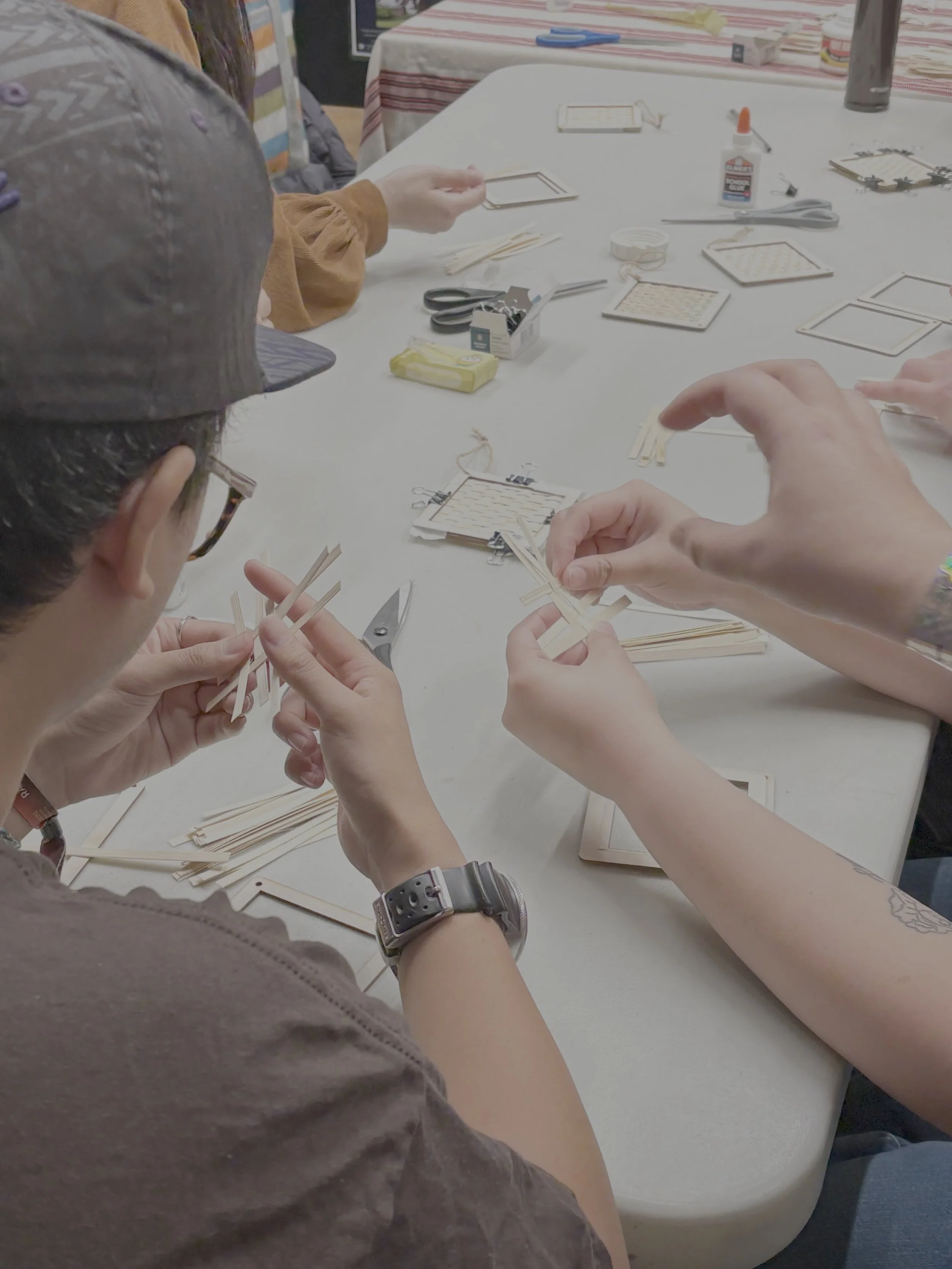
On April 16, we hosted the workshop “Traditional Weaving Technique Adaptation: Bamboo Weaving” at the Burke Museum and a class lecture at the University of Washington. Students and participants learned how Pangcah/ Amis’s use bamboo as weaving materials for tools in daily life and for agriculture, fishing, hunting, and transportation. Pangcah/ Amis live with the mountain and the ocean. Bamboo is seen as a gift from nature. The way Pangcah/ Amis collect material comes from ancestral wisdom that respects balance in the ecosystem. This workshop allowed participants to experience bamboo weaving as ancestral wisdom, since “every weave contains oral wisdom from elders. Participants also got to converse with the land through weaving.
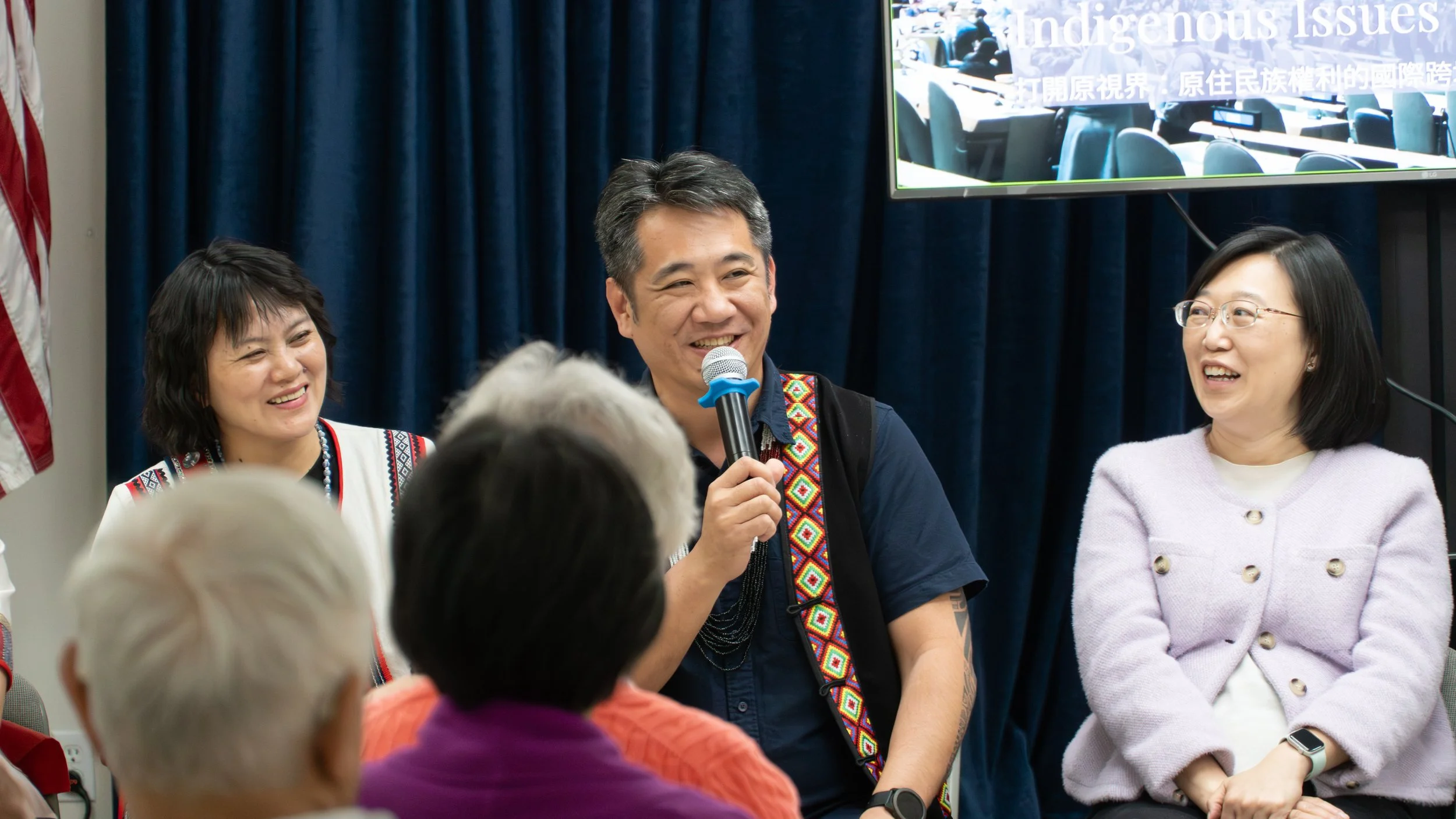
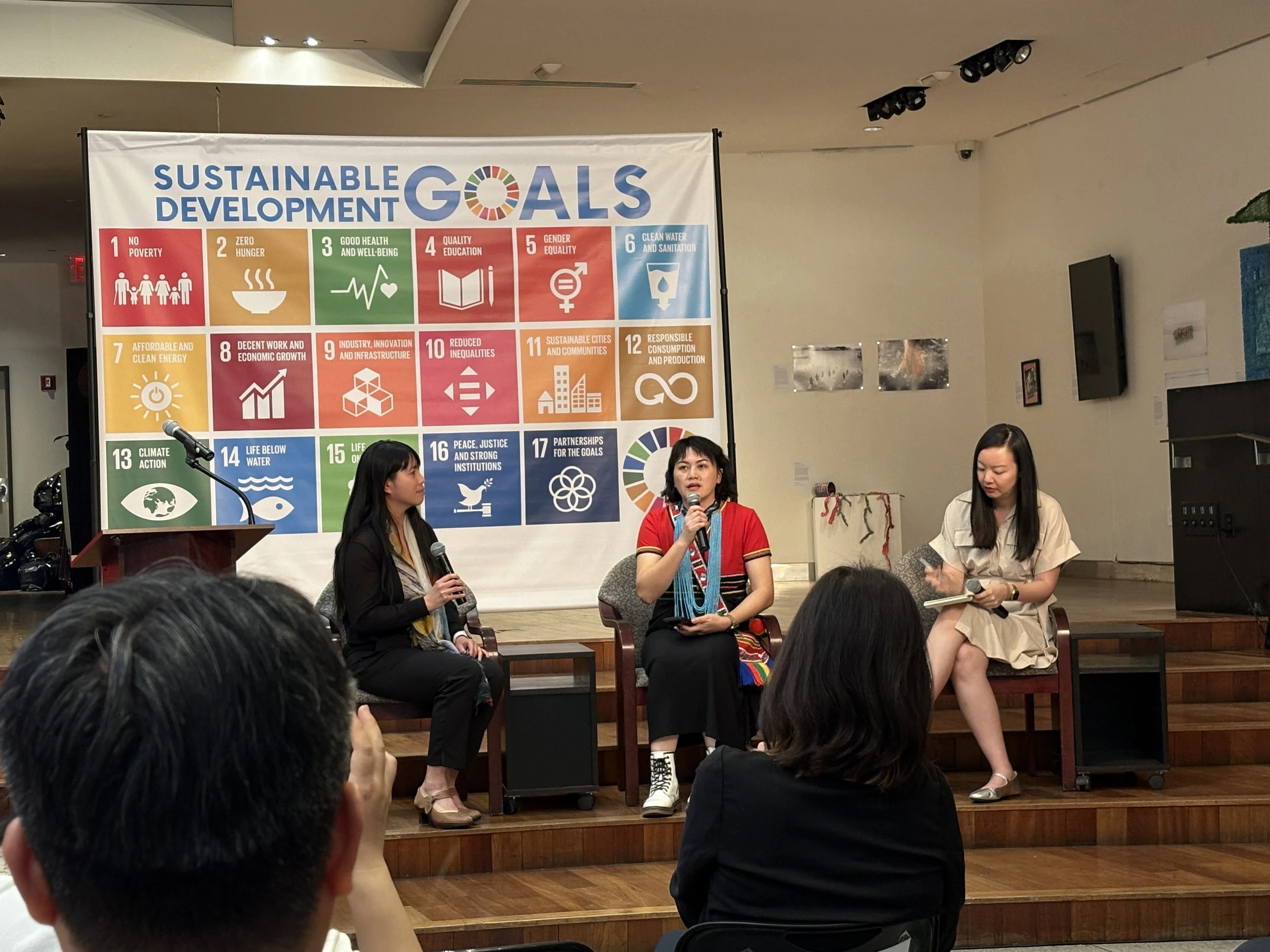
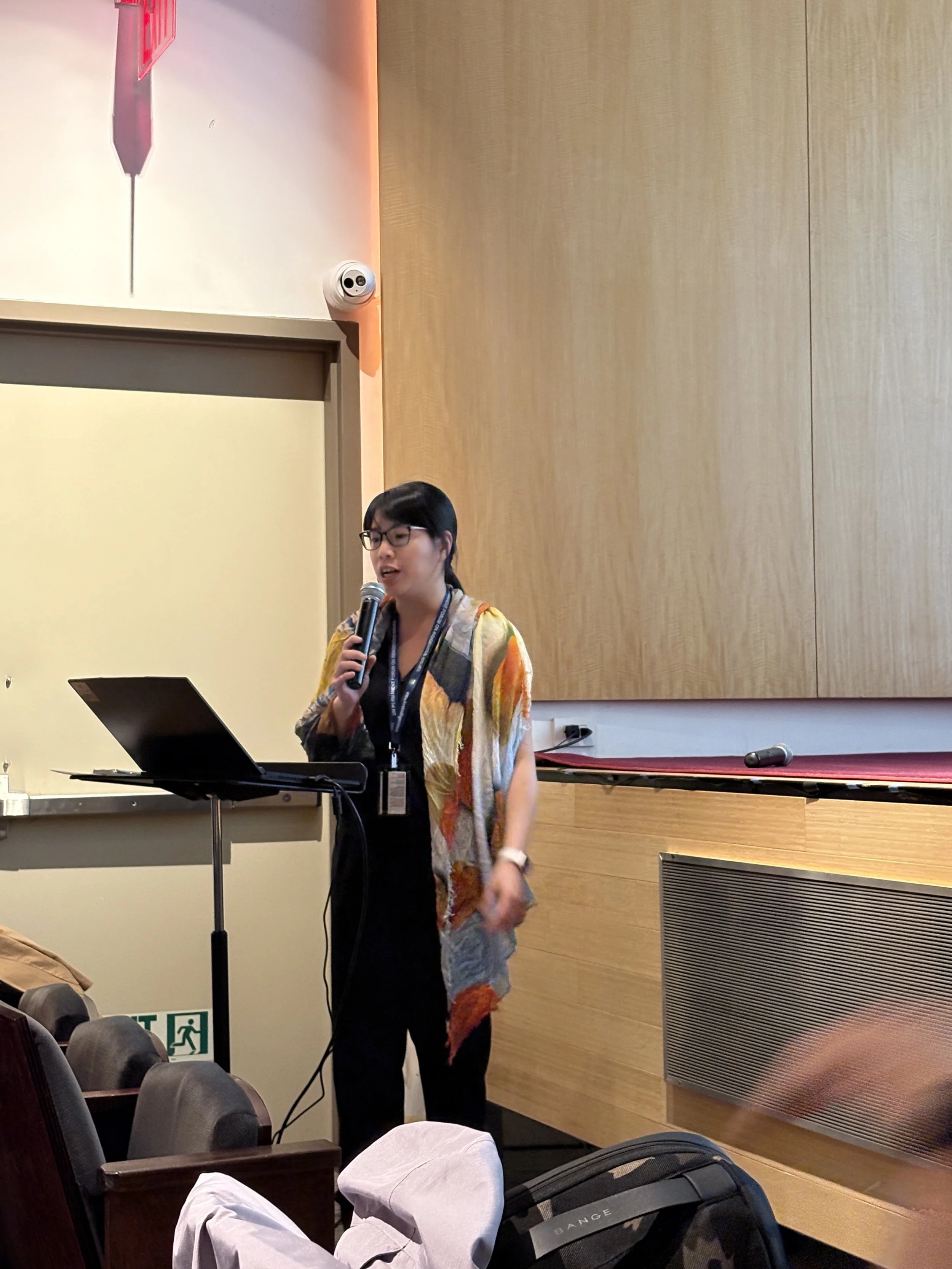
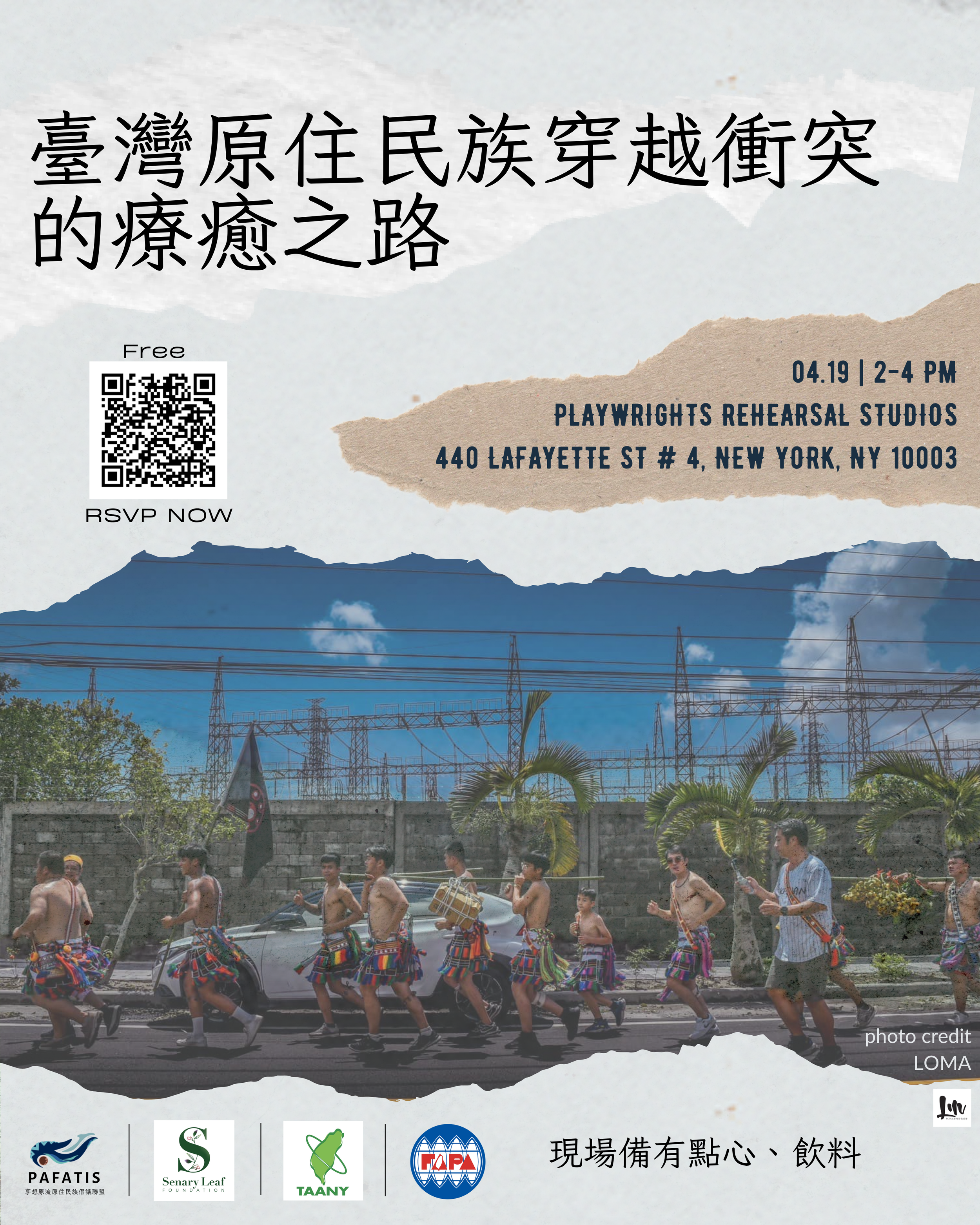
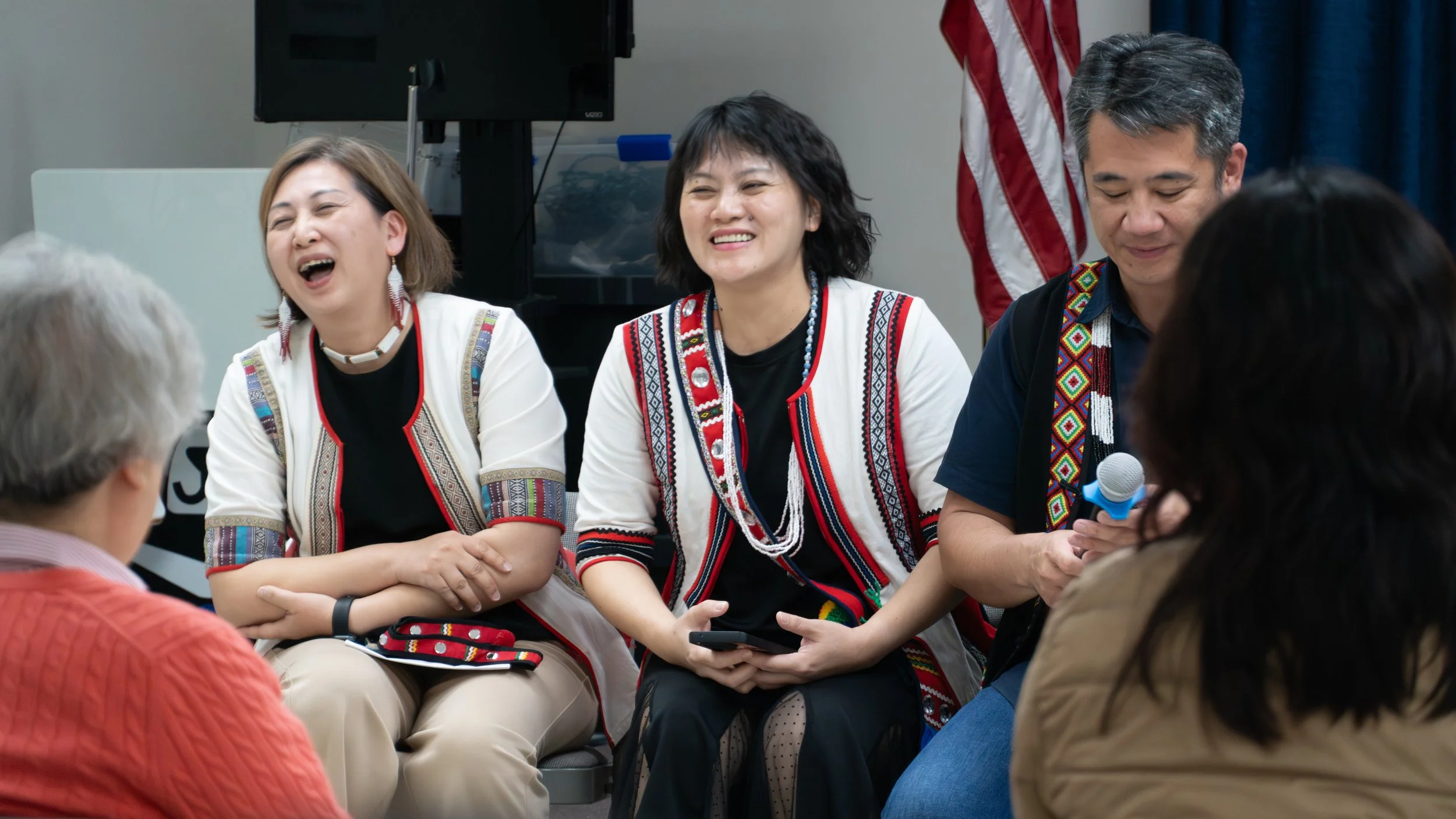
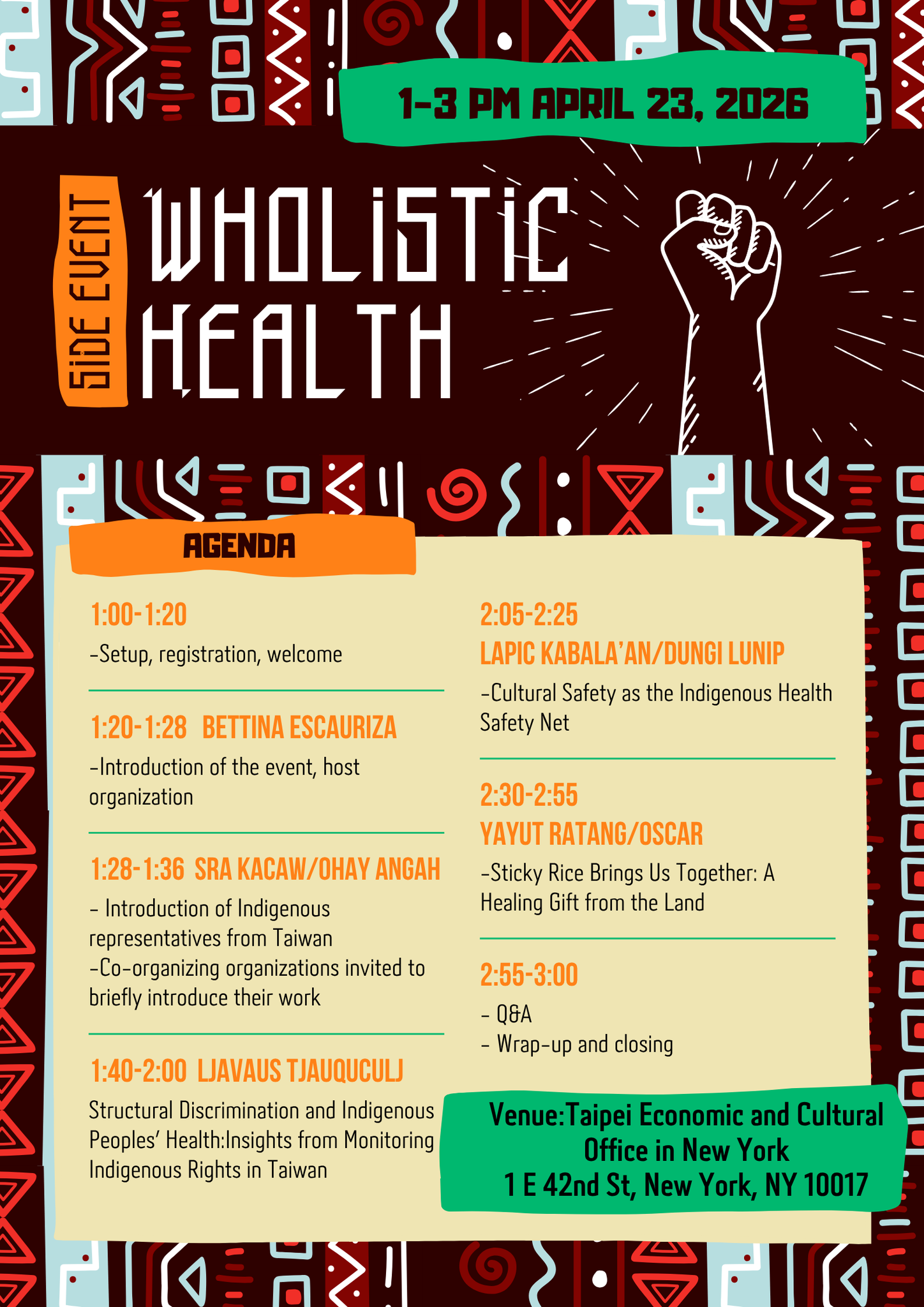
We then hosted a lecture in New York on April 19, co-hosted an official UNPFII side event at the Taipei Economic and Cultural Office (TECO) in New York, participated in a forum, and hosted another lecture on April 29 at the Cultural Center of TECO in Seattle. In these events, the delegates shared their own experiences and perspectives on health needs in tribal communities, impact of collective care, and current state of cultural revitalization.
In each talk, the delegates emphasized that “health” cannot be narrowly defined as data on medical reports. Rather, we must also consider cultural responsiveness, cultural safety, self-determination, traditional food culture, and land sovereignty. We also heard these concepts mentioned in other UNPFII side events hosted by Indigenous Peoples from other countries. This further shows how the relationship between people and land and the relationship we have between each other are cornerstones of health.
ljavaus mentioned that Taiwan Indigenous Peoples, after multiple colonizations, still remain those being informed of decisions rather than decision-makers. She cited policymaking and policy evaluation metrics as examples. Because policy-making lacks cultural responsiveness, policies cannot meet communities’ needs. For example, health policy still equates “indigenous health” with “rural health”. However, doing so marginalizes the Indigenous Peoples who live in urban areas, who shoulder physically demanding jobs and disadvantages on both social and economic fronts. Additionally, current healthcare metrics are based on national demographics, which obscures health disparity Indigenous Peoples experience. Reliance on demographic from “household registry” also leads to evaluation undervaluing the performance of local public health centers, dealing a blow to frontline healthcare workers. ljavaus hopes that the government can incorporate cultural-responsive considerations when designing health policies.
Dungi shared her experiences working in the community for many years and analyzed the implementation of cultural health centers and traditional age-grade system. Her talk helped participants understand that no matter how well-designed a policy is, it needs community members to help connect the dots in order to be well-implemented. The trust and relationship between people are the real driver for systems’ functioning.
Yayut used both Pangcah/ Amis and Atayal perspectives to illustrate how tribal communities have used rice as the center of their lives and, from there, have developed many daily life elements, including relationship to the land, ritual, and communal support. In practicing these elements, community members always surround each other; no one gets left behind. Yayut also clarified the stereotype that Indigenous Peoples like to drink. She shared that in Indigenous tradition, winemaking is sacred and complicated. Tribal communities only drank during rituals. Alcohol is the medium that binds tribal communities with their people. But centuries of land theft have destroyed the relationships Indigenous Peoples have with their food sources, land, and way of life. Drinking, then, is but a symptom of historical trauma.
Hao-Kuei gave the talk, “sticky rice brings us together”, and emphasized how Indigenous Peoples maintain wholistic health through sharing food, communal support, and rituals. These also maintain their connections to the land. For example, before foraging or hunting, they hold rituals to show respect to the spirits in the mountains and woods.
“We’re all on the same boat. Even though we are scattered around the world, we rest our hearts at the tribal communities.”
Each Indigenous tribal community in Taiwan has dedicated workers and leaders who have contributed to wholistic health, cultural preservation and revitalization, and human rights. However, geopolitics have limited their participation in international realms. Because Taiwan is not a member state of the United Nations, it has been difficult for Taiwanese delegates to receive permits for entry.
These barriers have formed a wall every time Taiwan tries to communicate with other nations. Ethnic and cultural groups within Taiwan have thus lost the ability to tell their own story and to exchange with the world. Even during events focusing on Indigenous Peoples in Asia, the only time for Taiwan Indigenous delegates to speak would be during Q&A. Due to difficulty entering the general assembly, we aim to have our mission heard through side events.
Facing these barriers, we are even more motivated to participate in side events. We attended the Global Indigenous Youth Caucus and heard how they used consultation to advocate. We heard from Quechua and Kichwa Peoples from Peru and Ecuador on how they have nurtured their relationship with pachamama despite land theft. We learned about Dakota/ Lakota language revitalization. We also heard how Gen-Z Indigenous Peoples in Nepal tried to advocate during the recent regime change. In these talks, it is further emphasized how agriculture, food, music, protest, language, storytelling, and cultural development are the cornerstone of health.
Sra mentioned, in contrast to the Indigenous Peoples from other countries we met at UNPFII, Taiwan Indigenous Peoples have the right to self-determination of language and culture guaranteed by the Council of Indigenous Peoples. At the same time, when we look at Indigenous issues, we cannot only focus on current issues, let alone limit our discussion on international relations. Instead, we have to dive into historical and cultural contexts. Sra set the goal to bring more Indigenous youths to the international stage, so they can understand issues facing other Indigenous Peoples. Then, they will be able to have a clearer path forward and thereby “fermenting” their impacts.
“It is because you have our backs.”
PAFATIS has been honored to be consultants in the US for our delegates from Taiwan. We also want to thank all our collaborators in this series: Taiwan Hualien Indigenous Peoples Public Affairs Promotion Association, Senary Leaf Foundation, Habitat Pro Association, Burke Museum, TECO, University of Washington Taiwan Studies Arts & Culture Program, Formosan Association for Public Affairs New York Metro Chapter, and Taiwanese American Association of New York.
We also want to thank all the friends who have supported us and attended our events this past year. We hope to continue growing our roots in North America. We also hope to be a bridge for everybody who wants to learn more about Taiwan Indigenous Peoples and help them understand our perspectives, cultures, and backgrounds. Lastly, we hope to build a platform that allows frontline workers and scholars to speak up, without any reserves, on the international stage.
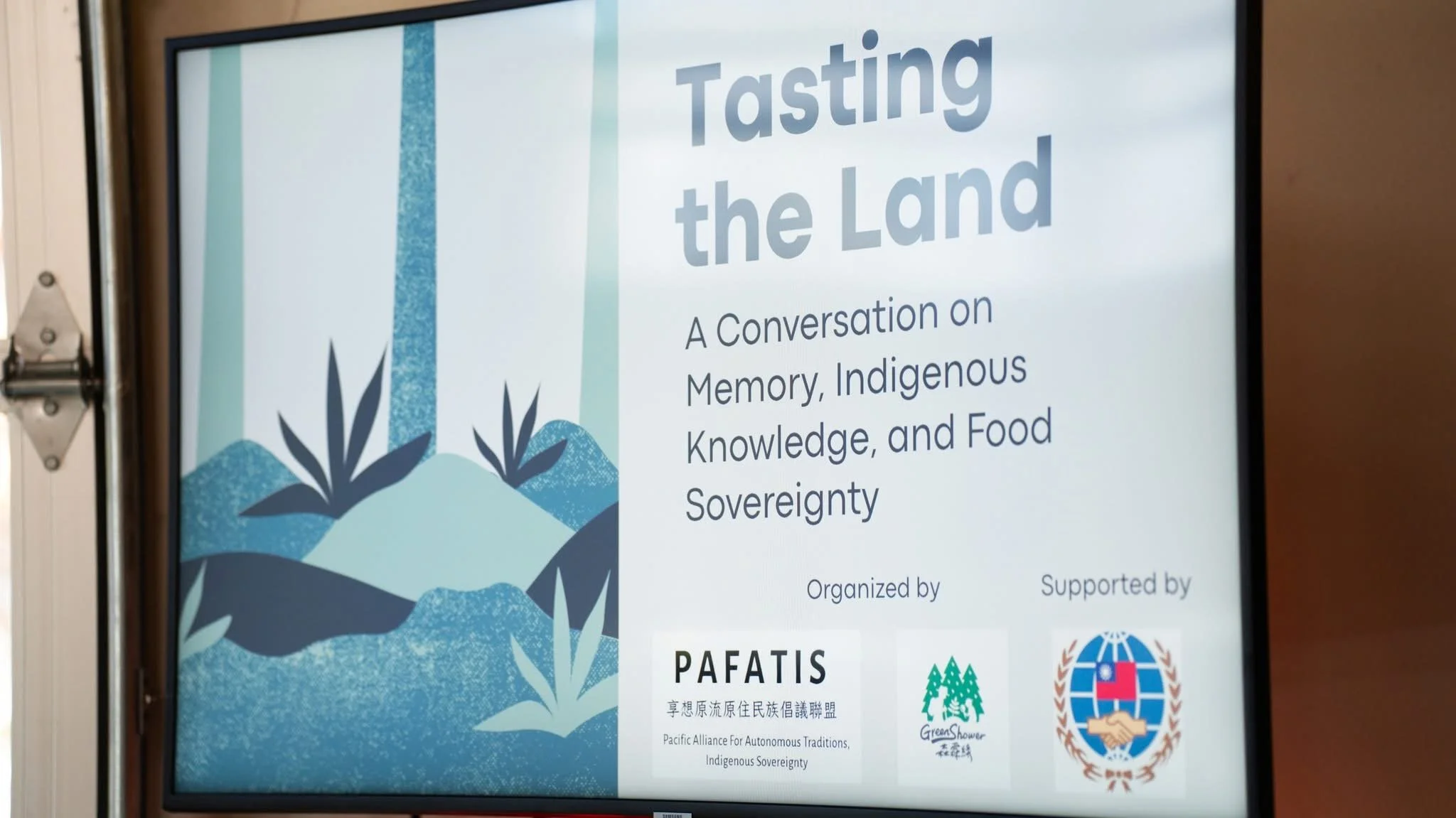
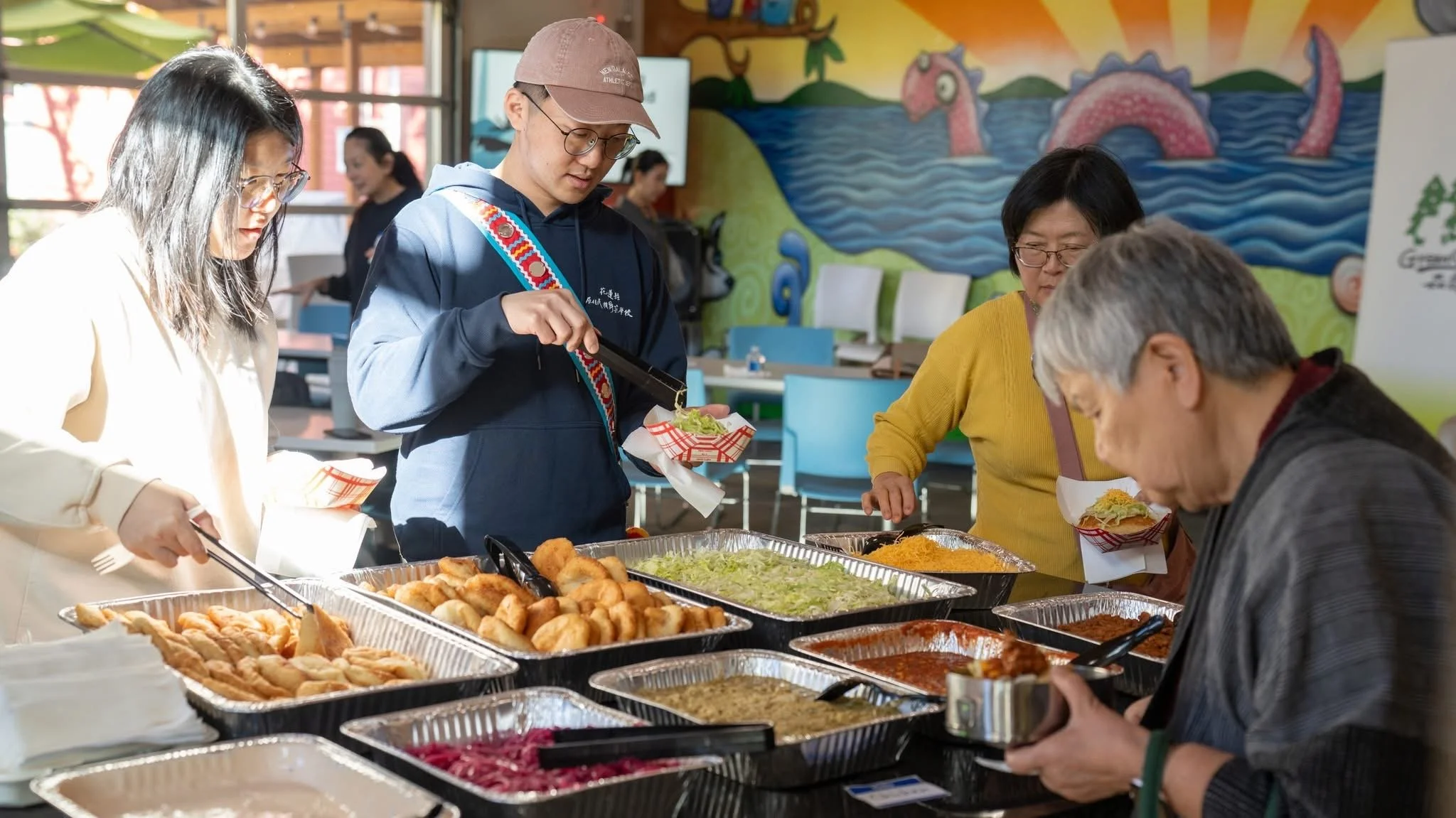
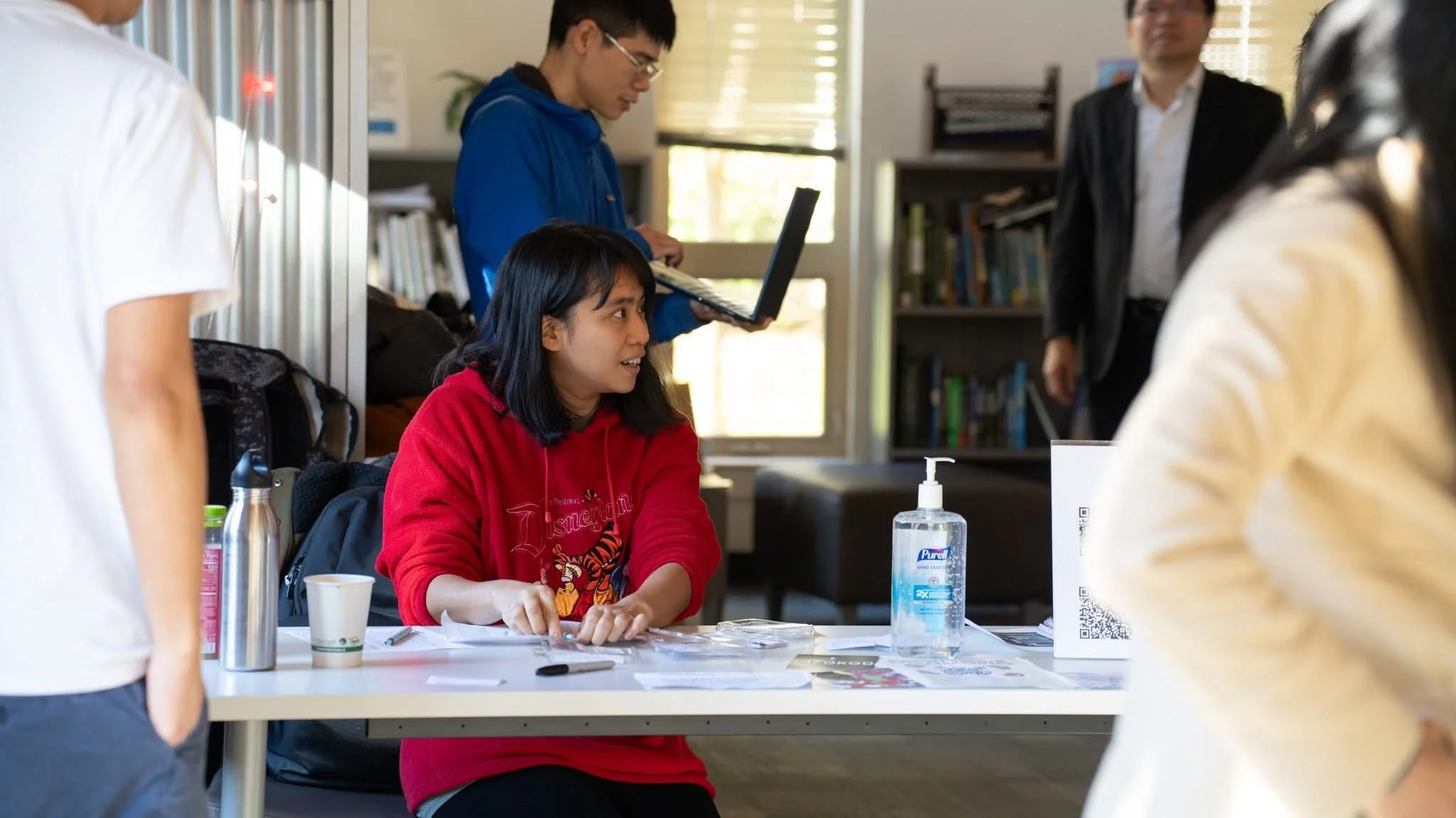
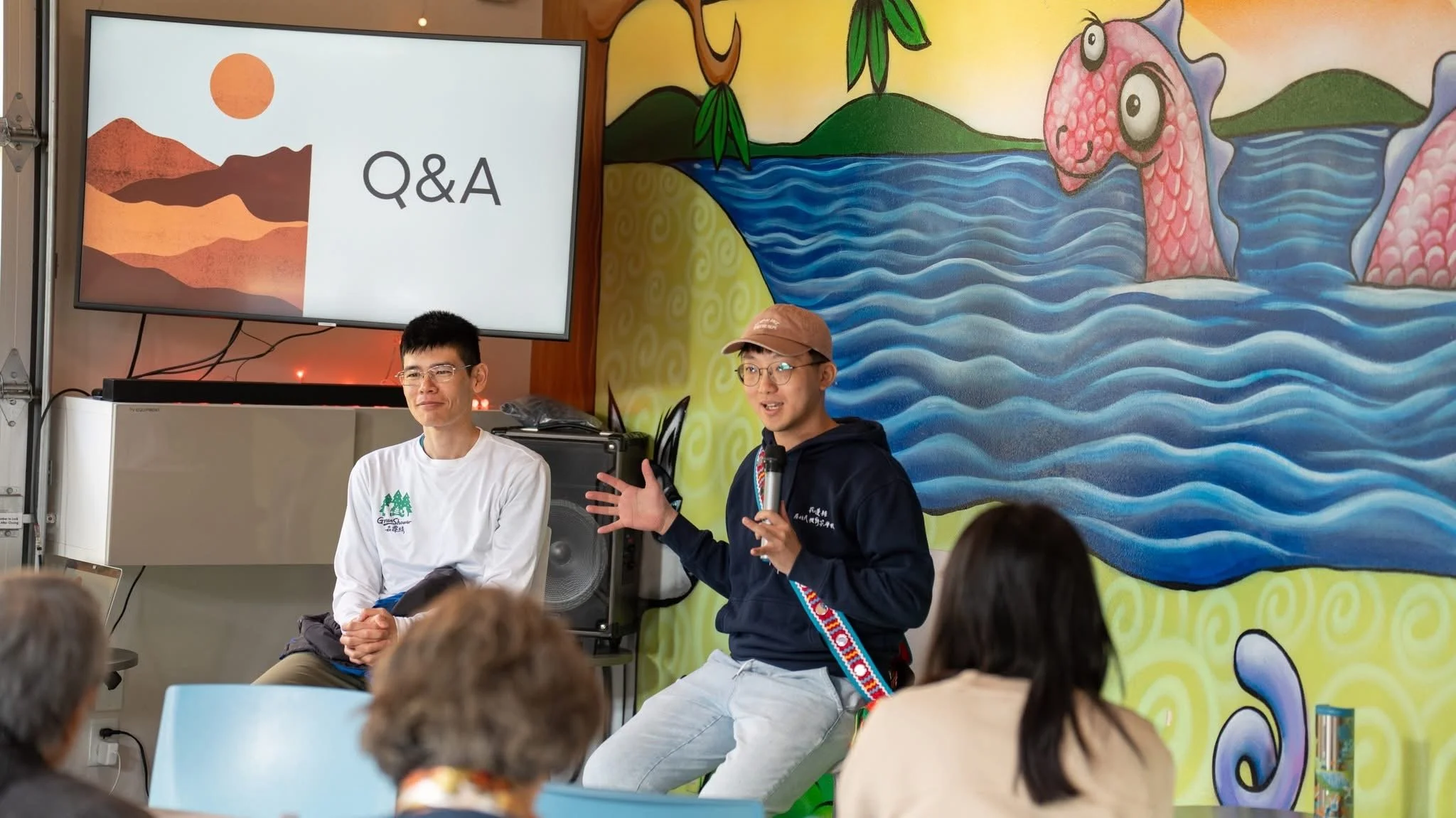
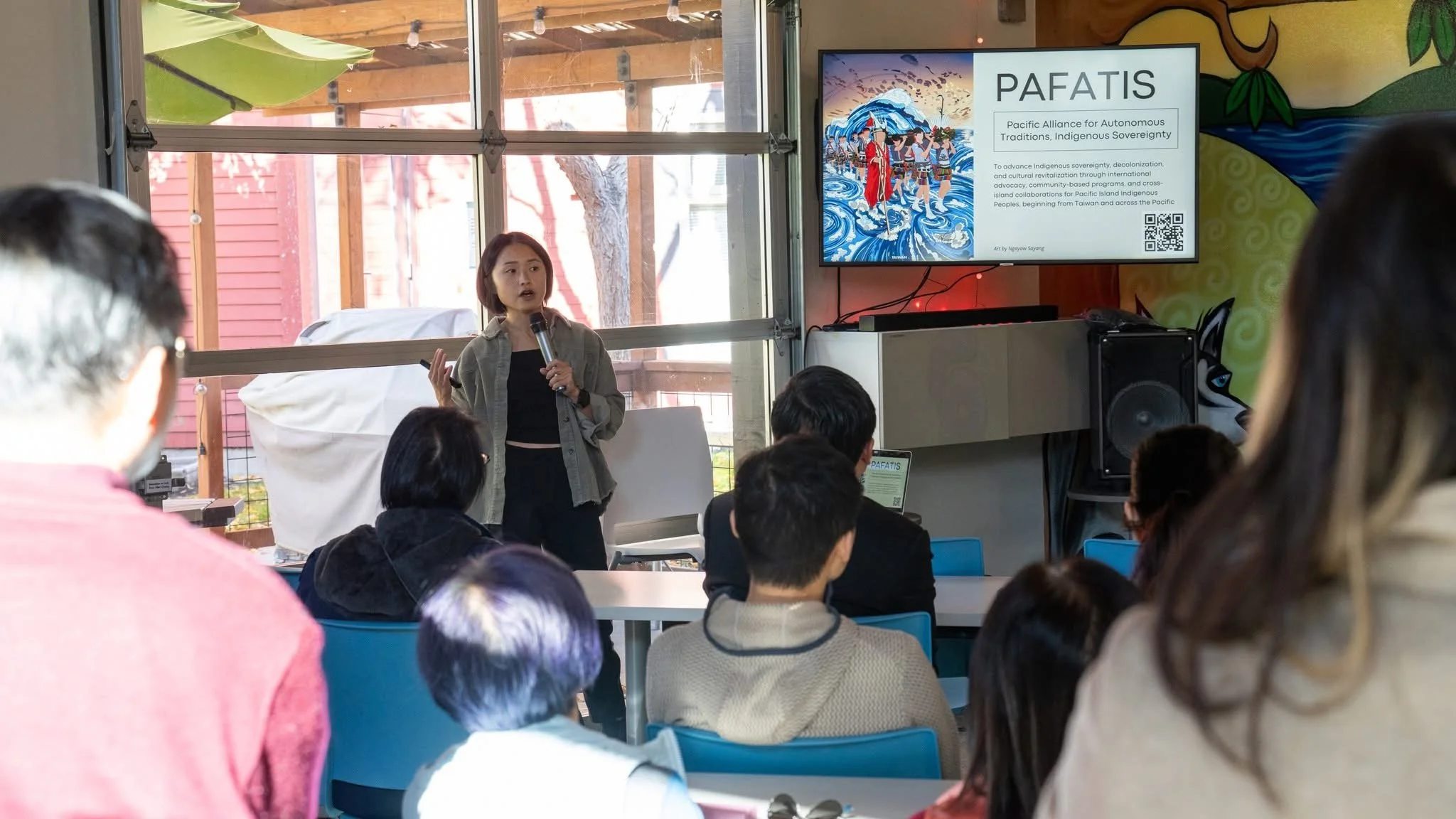
Thank you all for joining us on November 8, 2026 for Tasting the Land, co-hosted by the #PAFATIS and #GreenShower. The event was a wonderful success!
Our speaker, Oscar, drew on his experience with the Indigenous Wild Vegetable Center from Hualien to introduce the concept of Indigenous food sovereignty. He shared the importance of supporting local food systems, understanding where our food comes from, and practicing ways of living in harmony with nature.
RC Lai, a former interpreter with The Society of Wilderness in Taiwan and now co-founder of #GreenShower in Seattle, guided participants through an exploration of the connections between Taiwan and Washington State in terms of climate, ecology, and plant diversity.
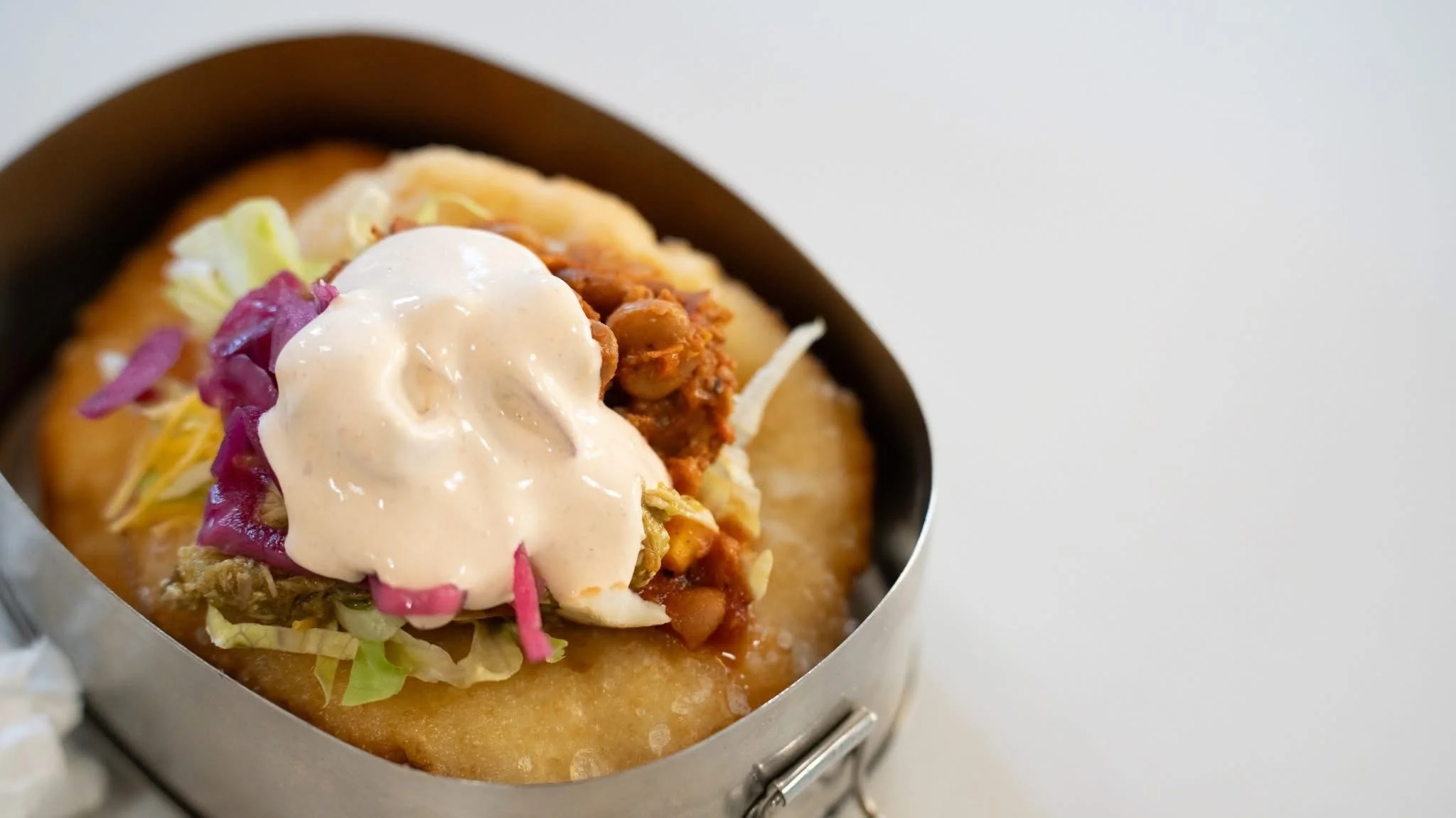
We also enjoyed light Native-led Seattle local food from a local restaurant in Seattle. During the closing Q&A, the discussion turned to the story of frybread and the colonial context that shaped it into a staple food among many Native communities in North America.
From land and community to the dining table, Indigenous ecological knowledge and cultural narratives are deeply intertwined. We will continue learning and sharing stories with you. Thank you again for supporting the first collaborative event between #PAFATIS and #GreenShower. We look forward to growing and creating more opportunities together in the future.
In August 2025, we attended the Seattle Taiwanese Picnic Music Festival. On stage, we were transported to different eras through music of different languages and times. We also experienced different cultures, including the Bunun “Clapping Song” performed by Keystone Hummingbirds Children Choir, and the song “Happy Drinking Song” by Suming, a traditional song of the Pancgah (Amis) People.
Thank you for stopping by and chatting with us and playing the games we’ve prepared. THrough these interactions, we’ve all gotten to know the issues Taiwan Indigenous Peoples face a little bit more.
Thank you for your encouragement. Through our conversations, we imagined collaboration crashing, merging, and revitalizing, like waves.

Seattle Taiwanese Picnic Music Festival

